Chemotherapy can feel overwhelming. You might be staring at unfamiliar drug names, infusion schedules, and a long list of side effects. This page boils it down to what matters: how chemo fights cancer, common side effects, and practical steps you can take before, during, and after treatment.
Chemotherapy uses drugs that attack fast-growing cells. That includes cancer cells but also some healthy cells—like those in your hair, gut, and bone marrow. Chemo can be given in several ways: through an IV at a clinic, as an injection, or as a pill you take at home. Some people get a single drug, and others get combinations on a schedule (for example, every week or every few weeks).
Ask your team how long each session lasts, whether you’ll need a central line (a small port under the skin) and what to expect afterward. If you take oral chemo, learn how to store pills, handle them safely, and what to do if you miss a dose.
Side effects vary by drug but common ones are nausea, fatigue, hair thinning, mouth sores, low blood counts, and changes in taste. Your care team can prescribe anti-nausea meds, medicines to boost white blood cells, and guidelines for preventing infection. Here are plain, useful steps that help most patients:
- Keep a simple notebook with your medication list, allergies, and emergency contacts. Bring it to every appointment.
- Plan for fatigue: schedule rest after treatment days and ask someone to drive you home if needed.
- Watch for fever. A single temperature above 38°C (100.4°F) can be a sign of serious infection—call your clinic right away.
- Stay hydrated and eat small, frequent meals if nausea or taste changes make big meals hard.
- Practice mouth care: rinse with a mild salt-and-baking-soda mix or use products your team recommends to prevent or treat mouth sores.
- Protect your skin: chemotherapies can make skin sensitive. Use gentle soap, fragrance-free lotion, and avoid sun exposure.
Fertility, vaccines, and work: talk to your doctor before treatment starts. Some chemo drugs can affect fertility, so sperm or egg banking is worth discussing. Live vaccines are usually delayed during treatment. Your ability to work depends on your schedule and how you feel—many people take a break or shift to part-time hours.
Emotional and practical support matters. Join a local support group, lean on friends for rides and meals, and ask your clinic about social work or financial counselors if costs or transportation are hard.
Finally, never hesitate to ask questions. Useful ones: What are the key side effects for this drug? When should I call you? What anti-nausea or pain options do I have? Who do I contact after hours? Clear answers make treatment days less scary and help you stay in control.
Chemotherapy uses cytotoxic drugs to kill fast-dividing cancer cells, but it also affects healthy cells, causing side effects like fatigue, hair loss, and nerve damage. Learn how it works, why it's still essential, and what helps manage symptoms today.
Details +
Fertility preservation before chemotherapy can help you keep the option to have biological children. Learn the proven methods - from egg freezing to sperm banking - and what you need to do now.
Details +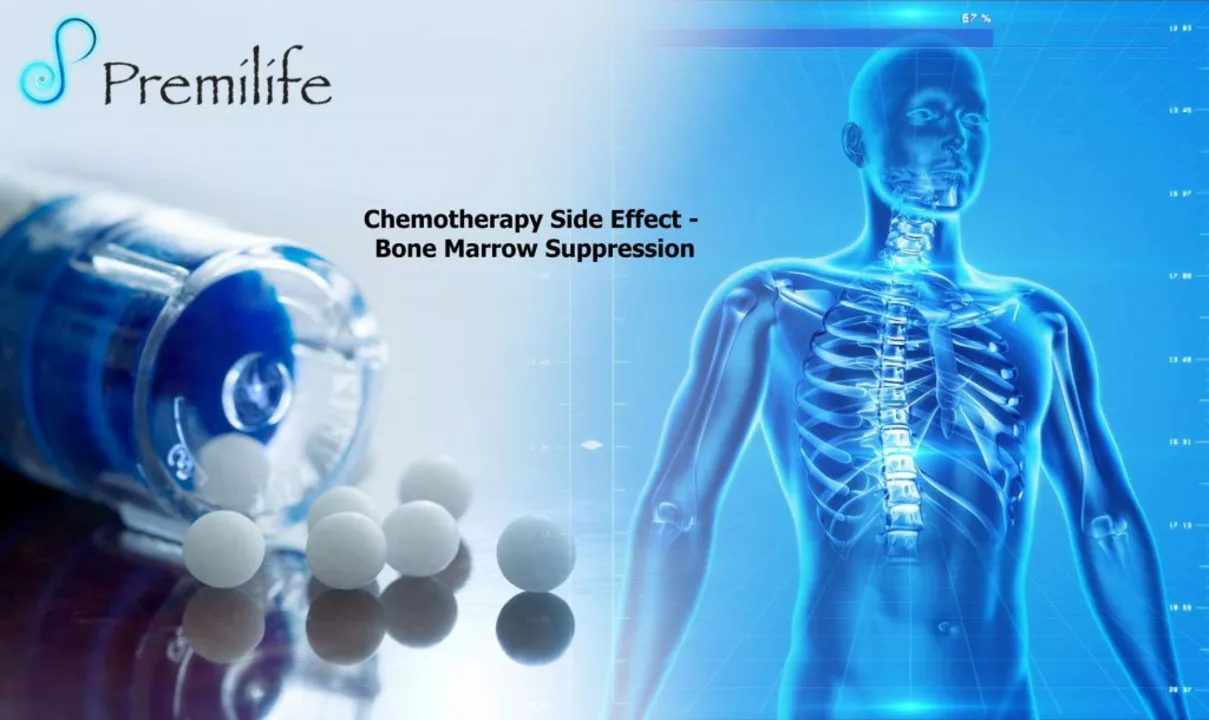
As a blogger researching the topic of Cyclophosphamide-induced side effects, I've learned that it is an essential chemotherapy drug used for treating various types of cancer. However, it comes with a range of side effects that patients should be aware of. Some common side effects include nausea, vomiting, hair loss, and a weakened immune system. It is crucial for patients to openly communicate with their healthcare team to manage and minimize these side effects effectively. By understanding and addressing these side effects, patients can have a better quality of life during their cancer treatment journey.
Details +