Red marks after acne, itchy sun rashes, or slow-to-improve texture are annoying. This page gives clear, usable options you can try now or discuss with a prescriber. I focus on what works, how long it takes, and simple safety steps so you don’t waste time on trial and error.
We cover three common areas: post-inflammatory erythema (red acne marks), polymorphous light eruption (sun-triggered rash), and retinoid treatment for acne and aging. Each section explains the treatment, how to use it, expected timelines, and practical warnings.
Azelaic acid for red marks: Azelaic acid reduces inflammation and can lighten red or brown spots left after acne. Look for 10%–20% creams or gels. Start with once-daily application after cleansing; if your skin tolerates it, move to twice daily. Expect gradual fading over weeks to a few months — it’s not instant, but it’s steady. Pair azelaic acid with daily SPF 30+ and a gentle moisturizer to avoid irritation. For sensitive skin, try a 10% formula and use every other day at first.
Betamethasone for polymorphous light eruption (PMLE): Betamethasone is a strong topical steroid that calms itch and swelling fast when sun exposure triggers a rash. Use only short courses and follow a doctor’s instructions. Overuse can thin the skin, cause stretch marks, or trigger rebound flares. If PMLE keeps returning, prioritize sun protection (broad-spectrum SPF, UPF clothing, and shade) and ask a clinician about steroid-sparing options like topical calcineurin inhibitors or controlled phototherapy.
Tretinoin: what to expect and how to start: Tretinoin speeds cell turnover, helping acne, texture and fine lines. Many people notice texture improvements in 6–8 weeks; fuller benefits often take 3–6 months. Early side effects include dryness, redness, and flaking. Start with a low concentration (0.025% or 0.03%) applied every other night, build up to nightly as tolerated, and always use sunscreen during the day. If irritation is severe, reduce frequency or switch to a lower strength and layer with a moisturizer.
Patch-test any new product for 48–72 hours on the inner forearm. Introduce one active at a time so you can spot reactions. Use a gentle cleanser and a basic moisturizer; avoid combining multiple strong actives at once (for example, don’t apply tretinoin and azelaic acid in the same routine until you know your tolerance). Apply sunscreen every morning — that’s non-negotiable with tretinoin or after treating active inflammation.
Stop and seek help if you get severe burning, spreading redness, or skin that peels off. For persistent marks, recurring sun rashes, or suspected steroid side effects, see a dermatologist. Many clinics offer telehealth if you can’t visit in person.
Read the linked posts for user-focused tips on azelaic acid for post-inflammatory erythema, betamethasone for PMLE, and realistic timelines for tretinoin. Small, steady steps and daily sun protection give the best results for most skin issues.

Stevens-Johnson Syndrome and Toxic Epidermal Necrolysis are rare but deadly drug reactions that cause skin and mucous membrane damage. Learn what triggers them, how they progress, and why genetic testing can save your life.
Details +
Cutaneous lupus causes painful, sun-triggered skin rashes that can lead to scarring and systemic flares. Learn how UV light activates immune attacks on the skin, why indoor lighting matters, and what treatments-from sunscreen to new biologics-actually work to stop them.
Details +
A clear, up‑to‑date guide on the iPLEDGE REMS for isotretinoin, covering patient requirements, 2023‑24 updates, safety data, and practical tips for avoiding delays.
Details +
Explore if betamethasone is safe for burns, its benefits, risks, proper use, and better alternatives in a clear, practical guide.
Details +
Learn why melasma is hard to cure, the essential sun‑protection habit, top prescription creams, and when professional procedures are worth it for lasting control.
Details +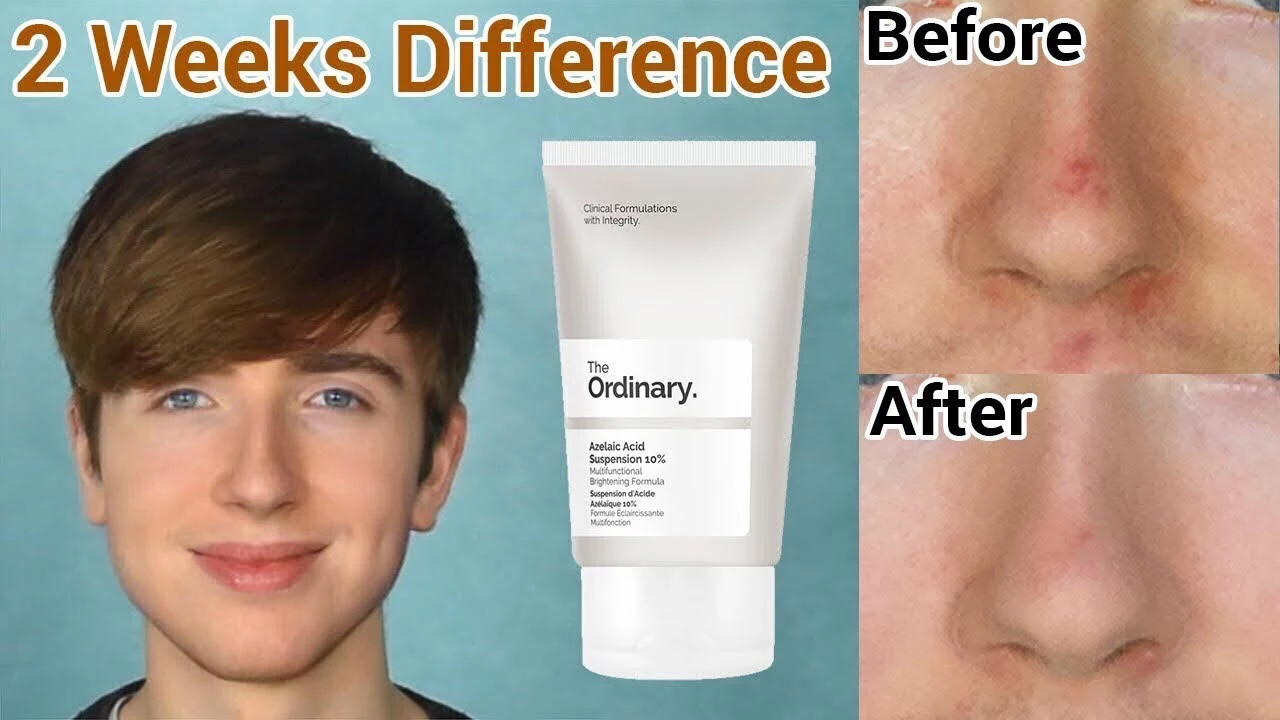
As a skincare enthusiast, I recently discovered the wonders of azelaic acid in addressing post-inflammatory erythema (PIE). This condition, characterized by red or brown marks left behind after acne, can be quite frustrating to deal with. Azelaic acid, a naturally-occurring ingredient, has both anti-inflammatory and antioxidant properties that help reduce redness and promote skin healing. Additionally, it's suitable for all skin types, making it a versatile and accessible treatment option. Personally, incorporating azelaic acid products into my skincare routine has made a significant difference in the appearance of my PIE, and I'm excited to share this find with others!
Details +
In today's blog, we'll discuss whether betamethasone can help with symptoms of polymorphous light eruption (PMLE), a common skin condition caused by sun exposure. Many people have found relief using betamethasone, a potent corticosteroid, to reduce inflammation and itchiness associated with PMLE. However, it's essential to consult a dermatologist before using any medication, as they can determine the appropriate treatment for your specific case. Although betamethasone may be effective in managing PMLE symptoms, it's crucial to remember that prevention is always better than cure, so make sure to protect your skin from the sun. Stay tuned for more tips and information on dealing with skin conditions in future posts!
Details +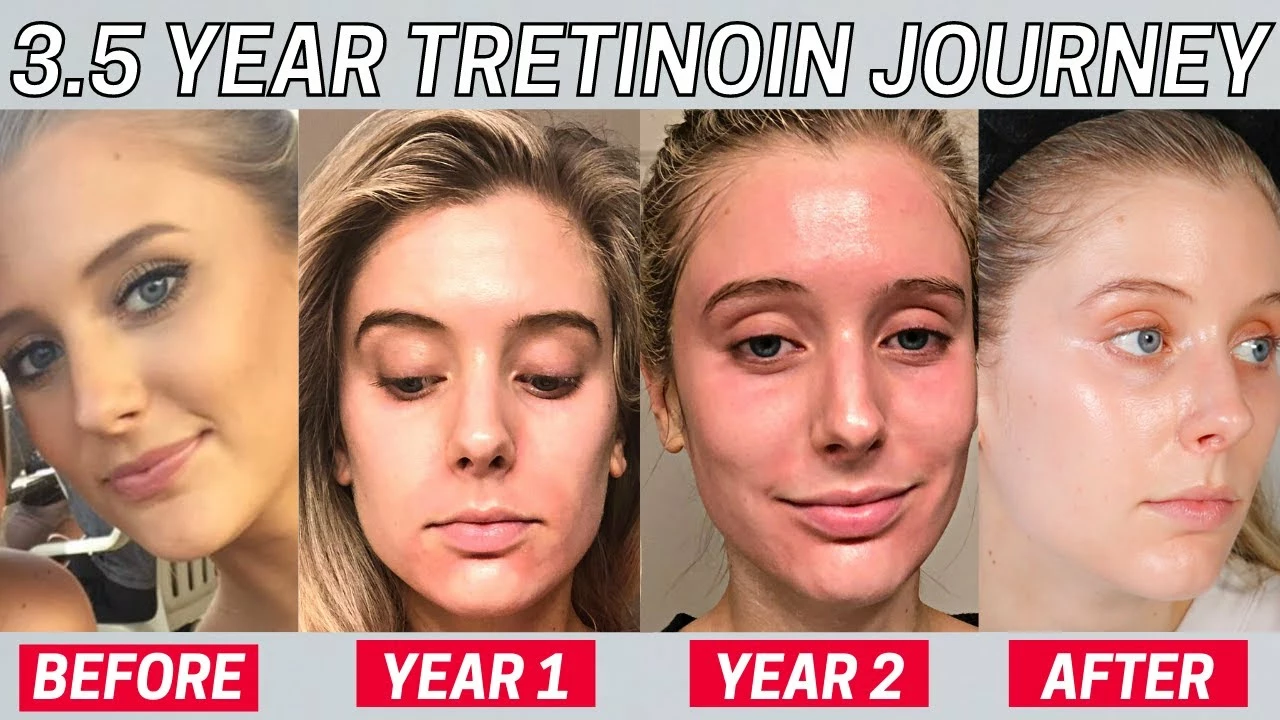
Tretinoin, a popular acne and anti-aging treatment, has proven to be effective for many. However, the question of how long it takes to see results remains. In my experience, noticeable improvements in skin texture and appearance can be seen within 6-8 weeks of consistent use. It's important to remember that everyone's skin is unique, and some may see quicker results than others. Remember to be patient and consistent with your skincare routine for the best results!
Details +