When dealing with sleep apnea, a sleep‑related breathing disorder where the airway collapses repeatedly during sleep, causing brief pauses in breathing and drops in oxygen levels. Also known as obstructive sleep apnea, it affects millions worldwide and can trigger daytime fatigue, cardiovascular strain, and reduced quality of life. One of the most common companions of sleep apnea is snoring, the noisy vibration of airway tissues during sleep that often signals airflow obstruction, which many people dismiss as harmless but can be a red flag for deeper airway problems. Another key player is obesity, excess body fat that narrows the throat and adds pressure on the airway, dramatically raising the odds of apnea episodes. When the airway is repeatedly blocked, the heart works harder, leading to hypertension, high blood pressure that results from the stress of low‑oxygen events and can worsen over time. Understanding how these entities intersect is the first step toward effective management.
Risk factors stack up quickly: age, male gender, family history, and especially obesity create a perfect storm for airway collapse. Even modest weight loss can shrink neck tissue and restore smoother airflow. Hypertension often co‑exists, and treating the breathing disorder can lower blood pressure without extra medication. For many patients, the gold‑standard solution is CPAP therapy, continuous positive airway pressure that gently pushes the airway open with a steady stream of air while you sleep. Modern CPAP machines track usage, pressure settings, and leak rates, turning raw data into actionable insights. If a mask feels uncomfortable, alternatives like oral appliances or positional therapy might work, but the evidence shows CPAP delivers the most consistent reduction in apnea events and heart‑related risks. Lifestyle tweaks—regular exercise, limiting alcohol and sedatives, and sleeping on the side—also shave off episodes and improve overall sleep quality.
Diagnosing sleep apnea starts with a sleep study, either in‑lab or at home, where sensors record breathing patterns, oxygen saturation, and heart rhythm. The resulting Apnea‑Hypopnea Index (AHI) tells you how severe the condition is and guides treatment intensity. Once therapy begins, follow‑up checks ensure the chosen device maintains an optimal AHI, and adjustments are made promptly. Where compliance is high, patients report sharper focus, lower daytime sleepiness, and a measurable drop in blood‑pressure readings. The journey from a noisy night to a restful one may involve tweaking mask fit, experimenting with humidifiers, or pairing CPAP with weight‑loss programs, but the payoff is a healthier heart and a clearer mind. Below you’ll find a collection of articles that dive deeper into each of these aspects—clinical insights, practical buying guides, and the latest research—so you can pick the pieces that match your situation and move forward with confidence.
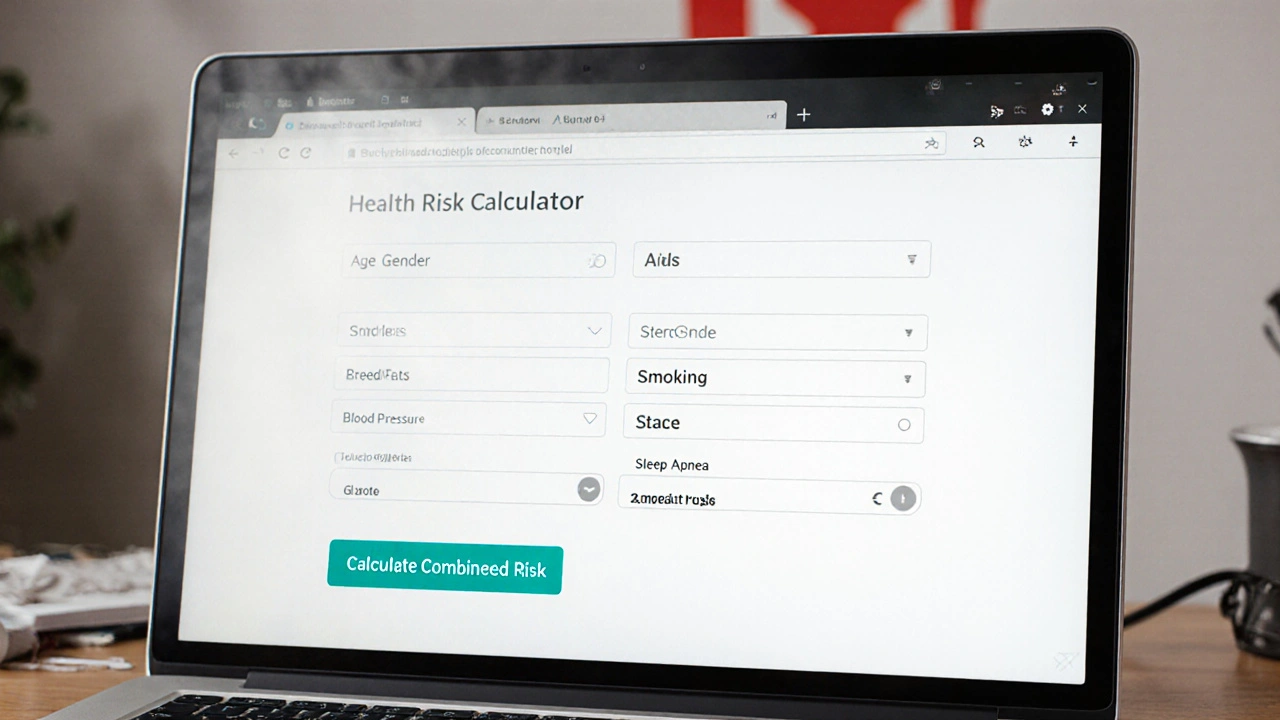
Learn how sleep apnea raises the risk of transient ischemic attacks, the shared risk factors, and effective steps to prevent strokes.
Details +