When working with Insulin Resistance, a condition where cells become less responsive to insulin, causing higher blood glucose levels. Also known as IR, it often slips under the radar until metabolic problems appear.
One of the biggest downstream effects is Type 2 Diabetes, a chronic disease marked by persistently high blood sugar due to inadequate insulin action. When insulin can’t get glucose into cells, the pancreas works harder, eventually wearing out. This link shows why early detection of insulin resistance matters – it can halt the progression to full‑blown diabetes.
Another closely tied condition is Metabolic Syndrome, a cluster of risk factors including high blood pressure, abnormal cholesterol, excess abdominal fat, and elevated fasting glucose. Insulin resistance is the common thread that weaves these factors together, making it a central target for prevention strategies.
Understanding the biology helps you fight it. Insulin normally tells muscle, fat, and liver cells to pull glucose from the bloodstream. In resistance, signaling pathways like the insulin receptor substrate get blocked, often by excess fatty acids or inflammatory molecules. This disruption raises blood glucose, the amount of sugar circulating in the blood after a meal, which in turn spikes insulin levels – a vicious cycle.
Fortunately, the cycle isn’t unbreakable. Lifestyle intervention—especially weight loss, regular exercise, and balanced nutrition—directly improves cellular insulin sensitivity. Even a modest 5‑10% drop in body weight can restore signaling efficiency and lower fasting glucose. Resistance responds quickly to activities that increase muscle uptake of glucose, such as brisk walking, resistance training, or high‑intensity interval workouts.
First, watch carbohydrate quality. High‑glycemic foods cause rapid glucose spikes, forcing the pancreas to release large insulin bursts. Replacing refined grains with whole‑grain options, legumes, and fiber‑rich veggies smooths the glucose curve and eases insulin demand.
Second, incorporate healthy fats. Omega‑3 fatty acids found in fatty fish, walnuts, and flaxseed reduce inflammation, a known driver of insulin signaling blockage. Swapping saturated fats for monounsaturated fats—think olive oil or avocado—also supports better insulin action.
Third, prioritize sleep and stress management. Poor sleep raises cortisol, which interferes with insulin receptors. Mind‑body practices, consistent sleep schedules, and limiting screen time before bed are simple habits that keep hormonal balance in check.
Fourth, consider targeted supplements. Vitamin D, magnesium, and berberine have research‑backed benefits for improving insulin sensitivity. They work by either enhancing receptor function or reducing hepatic glucose production.
Lastly, regular monitoring makes progress visible. Home blood glucose meters, continuous glucose monitors (CGMs), and periodic HbA1c tests give feedback on how diet and activity changes affect insulin dynamics. Seeing numbers improve fuels motivation and guides fine‑tuning of the plan.
All these pieces fit together: diet controls the fuel entering the bloodstream, exercise moves that fuel into cells, weight loss reduces the fat‑derived toxins that block signaling, and sleep/stress keep the hormonal environment favorable. When one piece slips, the others can often compensate, but optimal results come from a balanced, all‑around approach.
Below you’ll find a curated collection of articles that dive deeper into each of these topics—whether you want a step‑by‑step guide to choosing the right carbs, expert tips on building an insulin‑friendly workout routine, or the latest research on supplements that boost sensitivity. Explore the posts to arm yourself with practical tools and keep insulin resistance in check.

Metabolic syndrome is a cluster of conditions-high waist size, elevated triglycerides, and poor glucose control-that increase heart disease and diabetes risk. Learn how they're linked and what actually works to reverse them.
Details +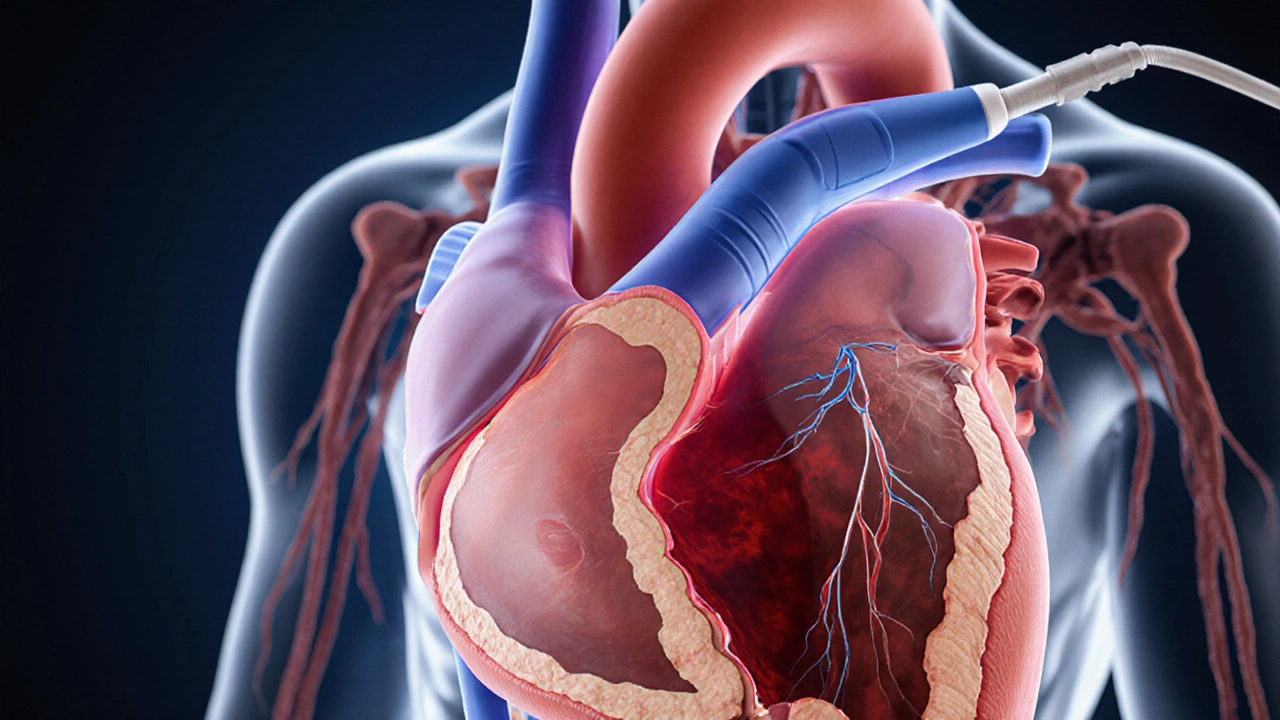
Explore how Hypertrophic Subaortic Stenosis and diabetes intersect, why the combined risk rises, and practical steps for monitoring and treatment.
Details +