Combining medication and peer support can change the course of recovery. If you're dealing with opioid addiction, naltrexone plus Narcotics Anonymous (NA) often gives better protection against relapse than either option alone. That's because they tackle different pieces of the problem: the body and the social side.
Naltrexone is a medicine that blocks opioid receptors. That means opioids no longer give a high, which lowers the chance you'll use again just for the effect. There are oral and monthly injectable forms. Before starting, you need a medical check — most doctors will want you opioid-free for several days to avoid sudden withdrawal and will check liver health. Talk openly with your prescriber about your history and any other meds you take.
NA is a peer-led community where people share experience and hold each other accountable. Meetings give structure, routine, and a place to practice sober habits. A sponsor can guide you through the 12 steps and help on rough days. Going regularly and trying different meetings helps you find people who really get your story.
Using naltrexone reduces craving and the rewarding effect of opioids, which makes the early weeks easier. NA fills a gap medicines can't cover: loneliness, triggers, and life skills. Combine them by coordinating care—tell your prescriber about your NA involvement and tell your sponsor about your medication if you feel comfortable. That makes relapse plans and supports more realistic.
Here are practical steps you can take today: talk to a doctor or addiction clinic about naltrexone and testing, locate nearby NA meetings online, bring a friend or call a helpline if you're nervous to go alone, and set a simple routine (meet times, therapy appointments, sober activities). Keep appointments and get regular check-ins from a clinician while on medication.
Watch for common pitfalls: starting medication without being opioid-free, skipping medical follow-up, or isolating from peers. If you slip, don't treat it as failure — treat it as data. Reach out to your sponsor, clinician, or an emergency line. Adjustments like switching support meetings or addressing mental health issues are normal parts of recovery.
If you're supporting someone else, stay calm, keep lines open, encourage medical care, and help them get to meetings. Small actions—driving to a meeting, holding a phone during a tough hour, reminding about appointments—make a real difference.
Combining naltrexone and Narcotics Anonymous isn't a magic fix, but it gives you tools for both the body and the life that surrounds it. Ask questions, keep close medical follow-up, and build a support network that fits your needs.
Looking for resources? Start with your family doctor, local addiction clinic, or provincial helpline. Many NA regions list meetings online and offer newcomer phone numbers. If you need guided care, ask about nurse or pharmacist-led clinics that link you to medication and counselling. Keep a short list of contacts—doctor, sponsor, crisis line—and save them where you can reach them fast right now.
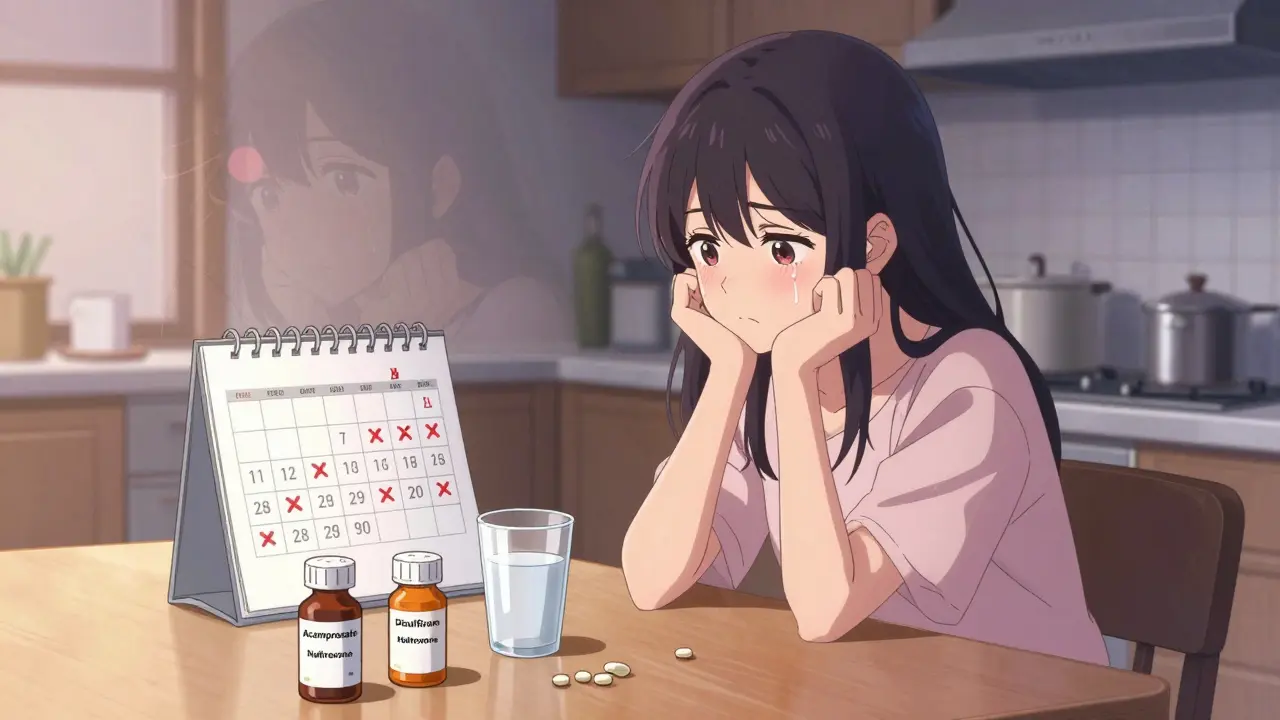
Medications for alcohol use disorder can reduce relapse-but only if used correctly. Learn how naltrexone, acamprosate, and disulfiram work, who they help most, and why many people still relapse despite treatment.
Details +
Mixing alcohol and opioids can cause fatal respiratory depression-even with small amounts. Learn why this combination is deadly, who's at risk, and what to do if someone overdoses.
Details +
Explore why chronic alcohol use can drop blood calcium, the underlying mechanisms, symptoms, diagnosis, and treatment options to restore balance.
Details +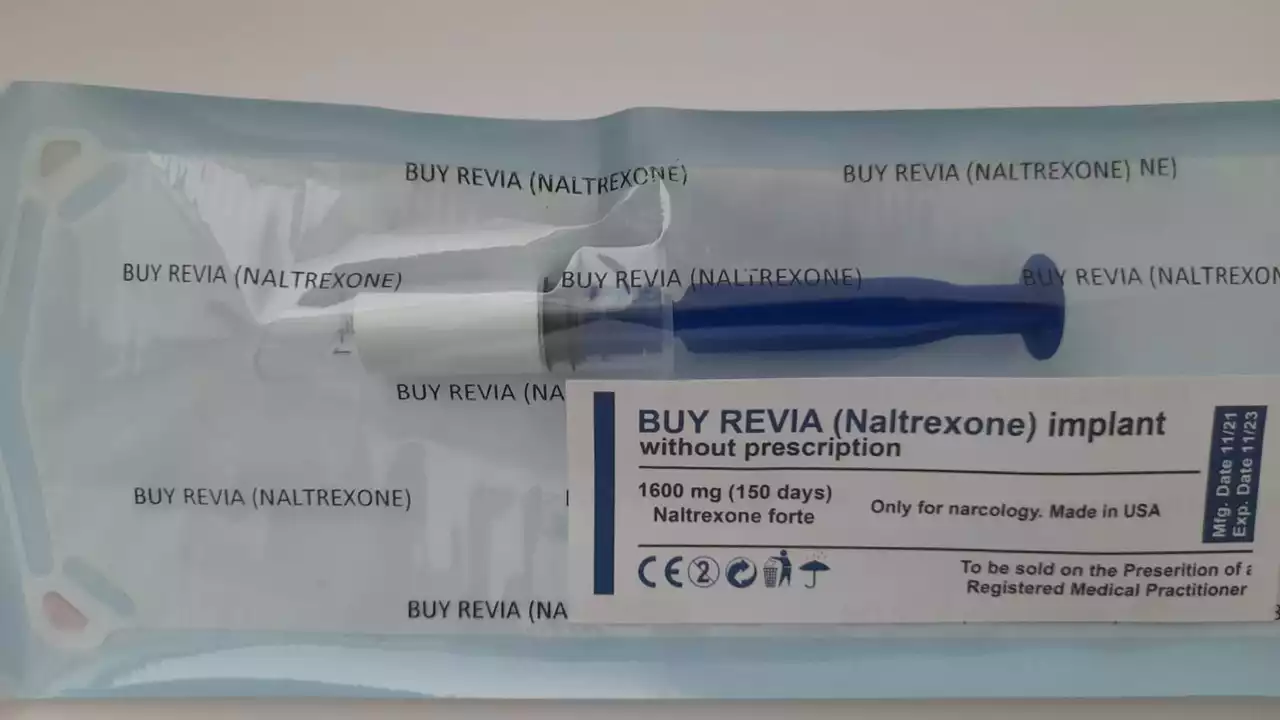
In my latest blog post, I discussed the powerful combination of Naltrexone and Narcotics Anonymous in helping individuals overcome addiction. Naltrexone, a medication that blocks the effects of opioids, has proven to be a valuable tool in preventing relapses. When combined with the support and guidance offered by Narcotics Anonymous, a 12-step program for individuals in recovery, the chances of long-term sobriety significantly increase. This dynamic duo addresses both the physical and emotional aspects of addiction, providing a comprehensive approach to recovery. I believe that this combination is essential for those seeking a successful and lasting recovery from opioid addiction.
Details +