
If you have tried everything to manage your sleep apnea, including nightly CPAP masks, and still struggle with exhaustion, you aren't alone. For millions of people, the mask is simply intolerable. That is where Upper Airway Stimulation comes in.
Upper Airway Stimulation (UAS) is an implantable therapy designed to treat moderate to severe obstructive sleep apnea by keeping the airway open during sleep.This technology offers a surgical alternative that sits inside your body rather than on your face. It addresses a critical gap for patients who cannot tolerate traditional therapies.
The journey from diagnosis to implant involves understanding exactly how this system works, whether you qualify, and what life looks like after the procedure. This guide breaks down the mechanics of the device, the eligibility requirements based on the latest guidelines, and the real-world outcomes reported by major medical centers like the Mayo Clinic and Cleveland Clinic. Whether you are exploring options because your doctor suggested it or you are simply researching alternatives to CPAP, knowing the specifics can help you make an informed decision about your health.
The core concept behind Upper Airway Stimulation is surprisingly simple, even if the technology is sophisticated. The human airway contains soft tissue in the throat and tongue that can collapse when muscles relax during sleep. In patients with Obstructive Sleep Apnea (OSA), this collapse blocks airflow. The goal of the therapy is to reinforce the airway without external pressure.
The most widely used system globally is known as Inspire Medical Systems, often referred to simply as "Inspire." This device consists of three main components that work in harmony:
When you inhale, the sensing lead tells the controller to send a mild signal to the hypoglossal nerve. This nerve controls the muscles in your tongue. When stimulated, the tongue moves forward slightly. This movement widens the airway at the back of the throat just enough to prevent blockage. Crucially, this stimulation only happens during the breathing cycle-specifically the inspiratory phase-so your mouth and tongue function normally while you are awake or sleeping without using the device.
Not everyone with sleep apnea is a candidate for this therapy. Patient selection is rigorous because the anatomy of the airway must support the mechanics of the stimulation. If the airway collapses completely concentrically (like a tube being squeezed flat all around), the tongue moving forward won't help enough. Instead, the therapy works best when the tongue base is the primary blocker.
| Requirement | Specific Criteria |
|---|---|
| Age | Adults aged 22 years or older |
| Sleep Study (AHI) | Apnea-Hypopnea Index between 15-100 events/hour |
| Body Weight | Body Mass Index (BMI) less than 40 kg/m² |
| Type of Apnea | Less than 25% central or mixed apneas |
| CPAP Status | Fair or unable to tolerate CPAP therapy |
These thresholds were expanded by the FDA in recent years to include patients with higher BMIs and higher severity scores, acknowledging that obesity doesn't always rule out success if the airway anatomy is favorable. The assessment requires two key steps before surgery: a sleep study to confirm the AHI score and a drug-induced sedation endoscopy (McGill Removable Test) to visually inspect the airway collapse patterns under anesthesia.
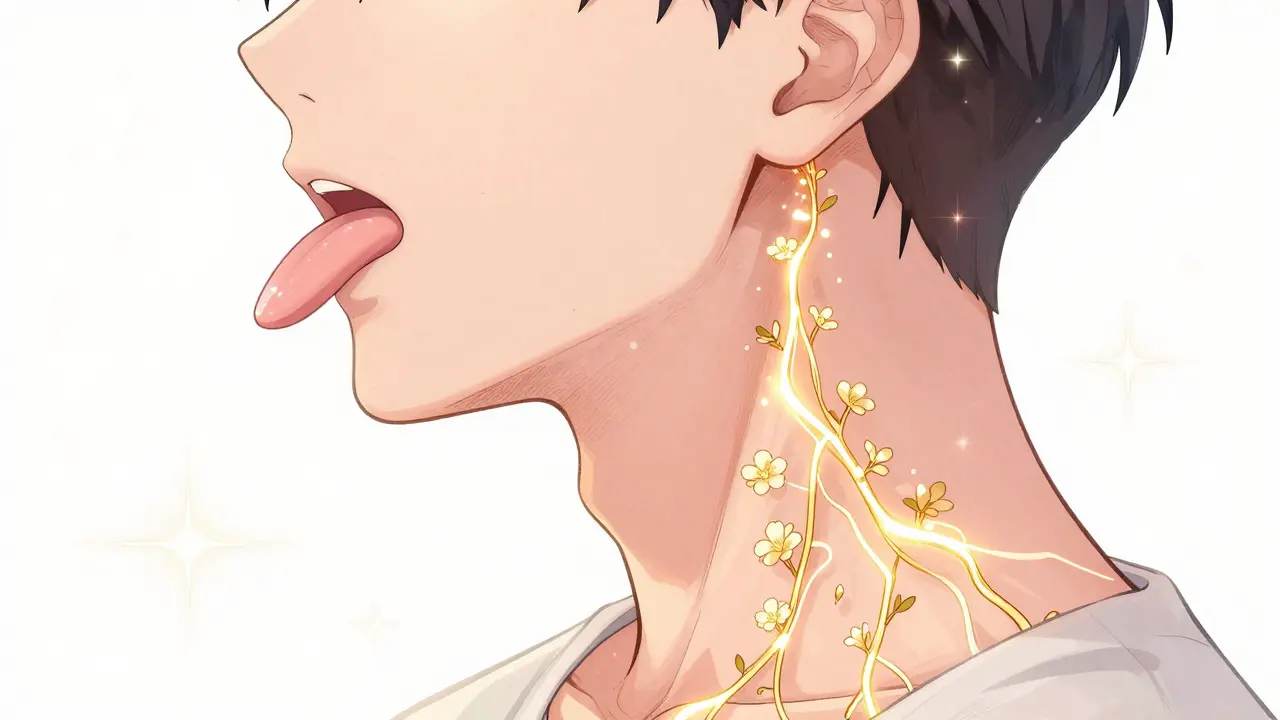
The implantation is an outpatient procedure performed under general anesthesia. It is not a quick visit; the surgery typically takes about 2 to 3 hours. The surgeon makes three small incisions:
Recovery is generally manageable. Most patients return to normal activities within 5 to 7 days, although driving may require longer restriction depending on anesthesia recovery. You will wake up in a hospital setting shortly after the operation for monitoring. The device itself remains inactive for about one month post-surgery. This waiting period allows the tissues to heal and swelling to subside, ensuring the nerve leads are secure before activation.
Data backs up the promise of this therapy. The landmark STAR trial published several years ago demonstrated significant improvements. In the study, the median Apnea-Hypopnea Index (AHI) dropped from 29.3 events per hour to 9.0 events per hour over 12 months. That represents a roughly 68% reduction in breathing interruptions. More recently, the ADHERE Registry provided real-world data showing these results hold true outside of strict clinical trials, even in patients with higher BMIs and more severe apnea.
Compared to CPAP, adherence is often better. CPAP machines require wearing a mask every night, leading to abandonment rates as high as 46%. Because the UAS device is hidden inside the body, there is no mask to fight against. Patients often report better sleep quality and fewer complaints from bed partners regarding snoring. One user experience noted on patient forums mentioned stopping snoring entirely within weeks of activation.
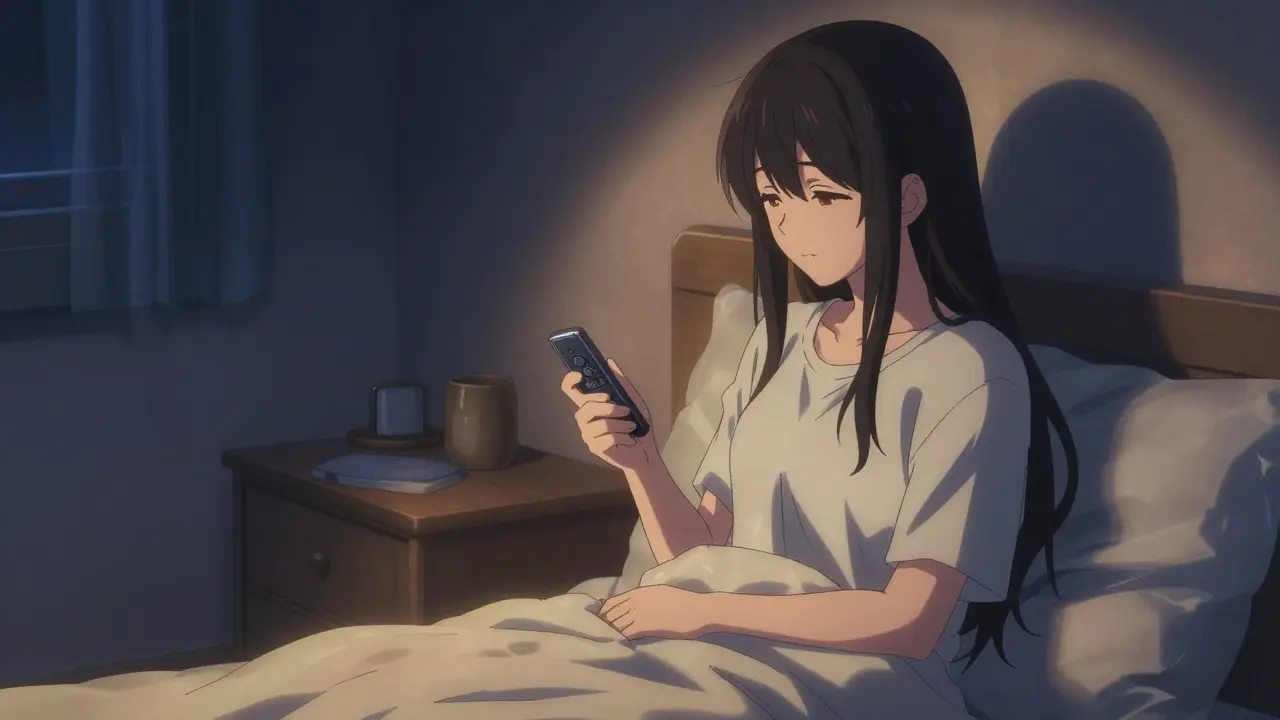
While you don't wear anything to bed, the system isn't fully automatic. You are responsible for turning the system on. Before you go to sleep, you press a remote control that looks like a car fob. This sends a wireless signal to the implant to activate the stimulation mode for the night. You turn it off automatically when you wake up. Developing this habit takes discipline, especially in the first few months. Some users admit to occasionally forgetting, but once the routine is established, it becomes as easy as brushing your teeth before bed.
You also have access to a patient app or portal in many regions, allowing your sleep doctor to see how many nights you've used the device and adjust settings remotely. Regular follow-ups happen at 1, 3, 6, and 12 months after activation to titrate the strength of the stimulation to ensure comfort and efficacy.
Like any surgery, there are risks. The most common side effects are temporary. About 5% of patients in studies reported mild tongue weakness or tingling sensations in the first few months, but these usually resolve on their own as the nerves acclimatize to the stimulation. Serious complications, such as infection at the surgical site or displacement of the leads, occur in less than 2% of cases. Bleeding during surgery is rare but possible.
Financially, the procedure is expensive. The average cost ranges from $35,000 to $40,000 in the United States. Insurance coverage varies significantly. Medicare and major commercial insurers now cover the procedure for eligible patients who meet the strict criteria. It is vital to verify your specific coverage beforehand, as pre-authorization is usually mandatory.
Candidates must have a confirmed diagnosis of moderate to severe obstructive sleep apnea (AHI 15-100), a BMI under 40, and be unable to tolerate CPAP. They should also have minimal central sleep apnea (under 25%) and pass a specific airway collapse assessment.
Most major US insurance plans, including Medicare, cover the procedure for eligible patients. Approval depends on proving CPAP failure and meeting the anatomical criteria. You should submit a formal determination request with your doctor prior to scheduling surgery.
You cannot drive immediately after anesthesia wears off. Most surgeons restrict driving for 5 to 7 days post-op. Full recovery of reaction times and pain management ability dictates the timeline.
Yes, the stimulation intensity is programmable. Doctors can adjust the voltage and duty cycle via an external programmer without needing additional surgery to optimize comfort and efficacy.
The battery life is estimated to last between 8 to 10 years. Replacing the battery would require another surgical procedure to exchange the generator unit located in the chest pocket.

Jenna Carpenter
1 04 26 / 22:14 PMHonestly i think people just give up too easy on the masks instead of fixing the leak. My friend had this done and still complains abt the tingling. Its alot of money for something you cant see working sometimes.
Brian Shiroma
2 04 26 / 10:02 AMMedical professionals love selling implants more than behavioral changes honestly speaking. But sure lets put wires in your neck.
Rachelle Z
3 04 26 / 17:57 PMWhoa why are u being so negative about it??! It really helps ppl!! 😫🙏✨ I know someone who sleeps better than ever before now!!!
Branden Prunica
5 04 26 / 07:28 AMJust reading about the nerve stimulation part and my stomach turned completely upside down. The idea of having electricity near my brain makes me nervous beyond belief.
Divine Manna
7 04 26 / 04:24 AMTechnically the hypoglossal nerve does not connect directly to higher cognitive functions. Therefore the risk profile regarding neurological damage is statistically negligible compared to the benefits shown in peer reviewed literature.
Ace Kalagui
8 04 26 / 11:23 AMI have been researching this procedure for quite some time now. It seems like a viable option for those truly struggling with CPAP adherence. The data regarding AHI reduction is actually quite compelling when you look at the numbers. Many patients report significant improvements in their quality of life after activation. Of course the cost barrier is something everyone needs to consider carefully before proceeding. Insurance coverage has improved but verification steps are still extremely tedious. You definitely need to undergo the sedation endoscopy first to qualify properly. It is essential to understand that weight management plays a huge role in success rates too. If you gain significant weight post surgery the device may stop functioning effectively. Regular follow ups with your specialist are critical for titration purposes. Some users experience temporary discomfort during the initial healing phase. However most say the benefits far outweigh the minor inconveniences of recovery. Sleep partners often notice the difference in snoring volume within weeks. Overall this technology represents a massive leap forward for sleep medicine specifically. I hope more insurance providers continue to support these necessary interventions soon.
sophia alex
9 04 26 / 05:01 AMOnly the elite can afford this kind of lifestyle enhancement therapy. Average Joe cant touch it. ;)
Mark Zhang
11 04 26 / 04:26 AMHey everyone just wanted to share that my cousin got this done last year. He feels so much better now and his family finally gets rest too.
Sam Hayes
11 04 26 / 07:50 AMthat is awesome hearing about good outcomes is always encouraging for everyone going through the process hopefully he maintains good sleep habits too
Vicki Marinker
12 04 26 / 10:12 AMMost studies fail to mention the long term failure rates over ten years.