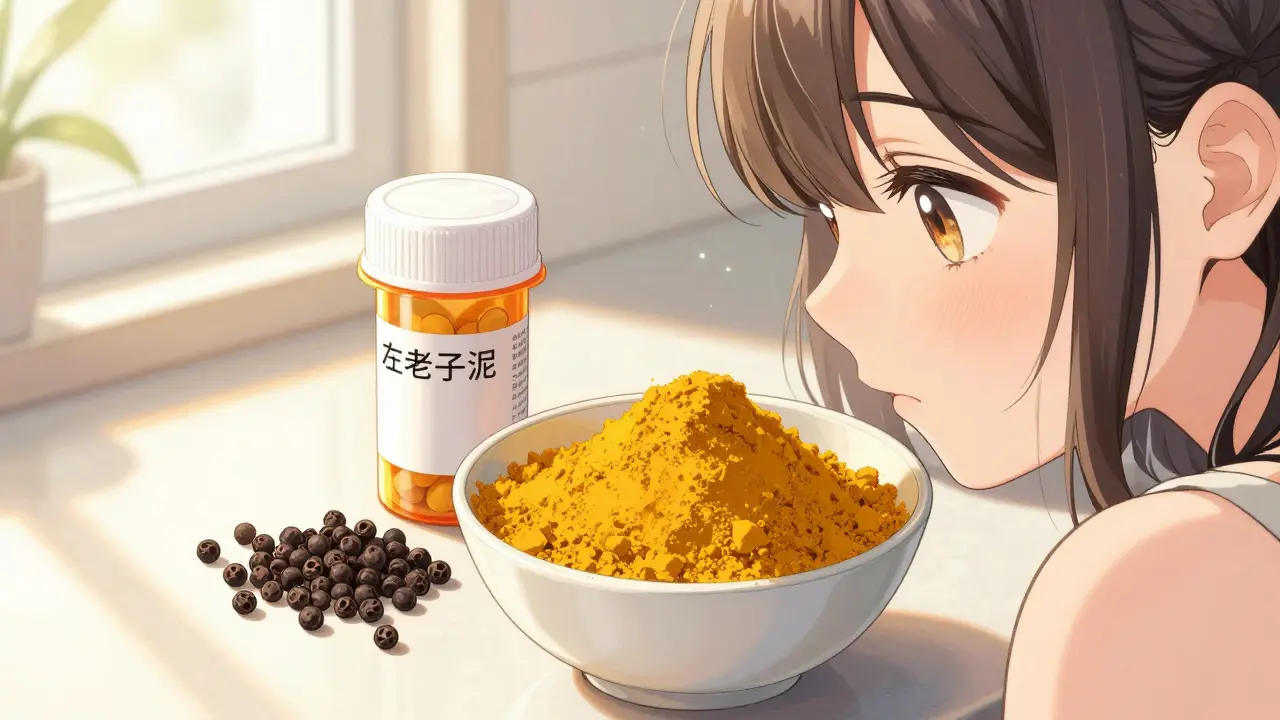
You might have heard that turmeric is a "miracle" spice for inflammation. Many people reach for a supplement to soothe joint pain or improve gut health, often choosing those paired with black pepper for a boost in effectiveness. But if you're taking a prescription blood thinner, this healthy habit could turn into a medical emergency. The combination of these two natural ingredients can interfere with how your blood clots, potentially leading to internal bleeding or dangerous drug levels in your bloodstream.
To understand the risk, we first have to look at Turmeric is a root spice containing curcumin, a bioactive compound known for its potent anti-inflammatory and anticoagulant properties . While these effects are great for some, they create a problem when you're already on medication designed to thin your blood.
Turmeric works by decreasing platelet aggregation. In plain English, it stops your blood cells from sticking together to form a clot. If you're taking a medication like Warfarin (often known by the brand name Coumadin), your blood is already slowed down in its ability to clot. Adding a concentrated dose of turmeric is like adding fuel to a fire; it pushes your blood's clotting ability too low, which can lead to spontaneous bleeding or a failure to stop bleeding after a simple cut.
Medical reports, including data from the Welsh Medicines Advice Service, show that turmeric can actually interfere with how your body clears certain medications. For people on warfarin, this can cause the International Normalized Ratio (INR)-the measurement of how long it takes your blood to clot-to spike to dangerous levels. A stable patient can suddenly become high-risk for a brain bleed or gastrointestinal hemorrhage just by adding a daily supplement to their routine.
You'll notice that most turmeric supplements on the shelf include Black Pepper, specifically for its active compound piperine . This is added because curcumin is notoriously hard for the human body to absorb. Piperine changes the game by inhibiting certain liver enzymes, specifically CYP3A4 and P-glycoprotein, which are responsible for breaking down the supplement.
According to analysis by MDVIP, piperine can increase curcumin absorption by as much as 2,000%. Imagine a 20-fold increase in the amount of a substance hitting your system. This doesn't just affect the turmeric; because piperine blocks the enzymes that metabolize many prescription drugs, it can cause your blood thinners to build up to toxic levels in your blood. It creates a biological bottleneck where the drug stays in your system longer than your doctor intended.
| Feature | Culinary Use (Food) | Supplements (Pills/Capsules) |
|---|---|---|
| Concentration | Low (Natural spice levels) | Very High (Concentrated curcumin) |
| Absorption | Low (Poorly absorbed by gut) | High (Often paired with piperine) |
| Bleeding Risk | Generally negligible | Significant for blood thinner users |
| Typical Dose | 1-2 teaspoons in a meal | 500mg to 2,000mg daily |

Not all blood thinners are the same, but almost all of them can interact poorly with turmeric and blood thinners. The risk varies depending on whether you are taking a Vitamin K antagonist or a newer direct oral anticoagulant.
Beyond the bleeding risks, the turmeric-black pepper combo has another side effect: liver stress. Because piperine forces such a massive amount of curcumin into the bloodstream, it can overwhelm the liver's processing capabilities. Some patients have reported symptoms of liver injury, including jaundice (yellowing of the skin and eyes), dark-colored urine, and chronic fatigue, appearing within 2 to 12 weeks of starting the supplement.
Then there is the issue of quality control. The supplement industry is not as strictly regulated as pharmaceuticals. Analysis by ConsumerLab found that about 30% of turmeric supplements tested contained lead levels that exceeded safety limits (California’s Proposition 65). When you're already managing a complex health condition like heart disease or a clotting disorder, adding heavy metal contamination to your system is a risk you don't need.

If you are currently taking a blood thinner, the safest route is to avoid concentrated turmeric supplements entirely. However, you don't have to give up your favorite curry. Here is how to handle your health safely:
Yes, in most cases. Using turmeric as a culinary spice in moderation (roughly 1-2 teaspoons daily) typically does not provide a high enough concentration of curcumin to interfere with blood thinners. The danger is primarily associated with high-dose capsules and extracts.
Black pepper contains piperine, which blocks the enzymes your liver uses to break down curcumin. This increases the absorption of turmeric by up to 2,000%, which can overwhelm your liver and dangerously amplify the blood-thinning effects of your medication.
Look for signs of excessive bleeding or bruising, such as nosebleeds that won't stop, bleeding gums, or large bruises appearing without a known cause. Also, watch for liver stress signs: yellowing of the eyes/skin, dark urine, or unusual nausea and fatigue.
Most do. This includes Vitamin K antagonists like warfarin, antiplatelets like clopidogrel and aspirin, and newer DOACs like apixaban. Turmeric's ability to decrease platelet aggregation generally conflicts with the goals of any anticoagulant therapy.
If you are seeking anti-inflammatory benefits, always consult your doctor first. Some emerging research is looking into lecithin-based curcumin delivery systems that may avoid the dangerous absorption spikes caused by piperine, but these are not yet the standard for blood-thinner patients.
If you just started a turmeric supplement: Don't panic, but do call your doctor. Ask if you need an immediate INR test to ensure your blood isn't thinning too much. Do not stop your prescription medication, but consider pausing the supplement until you get medical advice.
If you notice unusual bruising: This is a red flag. Schedule an appointment immediately. If you experience severe bleeding (like a deep cut that won't stop or blood in your stool), head to the emergency room and bring your supplement bottles with you so the doctors know exactly what you've been taking.
For caregivers: Check the labels of "natural" wellness blends. Many contain turmeric and black pepper as hidden ingredients. If the person you are caring for is on anticoagulants, these "healthy" additions can be dangerous.

Christopher Cooper
7 04 26 / 03:17 AMIt's really fascinating how piperine modulates the CYP3A4 enzyme. I've always wondered if other common spices had similar inhibitory effects on liver metabolism, though usually, people only talk about the turmeric side of things. It's a great reminder that 'natural' doesn't always mean 'safe' when there's a pharmaceutical interaction involved.
Grace Lottering
8 04 26 / 02:28 AMBig Pharma just wants us scared of natural cures. They hide the truth about curcumin to keep you paying for expensive pills.
Daniel Trezub
9 04 26 / 00:35 AMActually, most people don't even realize that a lot of these 'natural' labels are just marketing. The lead contamination part is the real joke here. You buy a supplement to be healthy and end up poisoning your brain. Classic.
Sarabjeet Singh
9 04 26 / 22:04 PMVery useful info. We use turmeric in almost every meal in India and it's never been an issue for us, but the supplement part is definitely different.
Srikanth Makineni
9 04 26 / 23:38 PMsupplements are overrated just stick to food
Toby Sirois
10 04 26 / 15:05 PMPeople are just lazy. They want a magic pill for inflammation instead of actually fixing their diet. Now they're shocked that a pill does something to their blood. Use your head for once. It's common sense that taking a concentrated dose of anything can mess you up if you're already on heavy meds.
Darius Prorok
11 04 26 / 00:23 AMBasically, if you take warfarin, don't take these pills. Simple.
Nathan Kreider
11 04 26 / 13:07 PMI'm so glad this was posted. I know a few people who love their natural remedies and might not know about the black pepper connection. It's better to be safe and just check with a doctor first. Stay healthy everyone!
Alexander Idle
12 04 26 / 00:38 AMGood heavens, the sheer audacity of the supplement industry to sell these without clearer warnings is simply scandalous!
I am absolutely appalled by the lack of regulation. It's a total disaster and a complete nightmare for anyone just trying to manage their joints without ending up in the ER. Truly a tragedy of modern health care!
GOPESH KUMAR
12 04 26 / 22:10 PMOne must realize that the intersection of ancient wisdom and modern chemistry is often fraught with peril. We treat the body as a machine when it is actually a garden. However, pretending that a 2,000% increase in absorption is 'natural' is a fallacy. You are essentially performing a chemical experiment on your own liver without a lab coat. Most people ignore the dosage and focus on the ingredient, which is where they fail. The dose makes the poison, as the old saying goes. I've seen plenty of people ignore the INR spikes until they're bruising from a gentle touch. It's a lack of discipline in health management. We want the benefits of the root without the discipline of the science. It's a classic human error to seek a shortcut to wellness. The biological bottleneck mentioned is a perfect metaphor for our current state of health literacy. We consume information in snippets and forget the systemic impact. This is why we see such volatility in patient outcomes. Stop looking for shortcuts and start reading the actual pharmacology. It's not that hard if you actually care about staying alive. Just follow the logic and stop the supplements.
Jay Vernon
14 04 26 / 19:54 PMThanks for the heads up! 😊 Always good to be careful with meds 💊
shelley wales
15 04 26 / 20:13 PMIf anyone is feeling overwhelmed by this, just remember that your doctor is there to help you navigate these choices. You don't have to figure it all out alone. Just a quick phone call can make a huge difference in your safety.
Timothy Burroughs
16 04 26 / 16:59 PMthis is why we need to get back to basics and stop trusting these fancy pills and foreign trends anyway its all garbage and we need real medical standards in this country stop overcomplicating things with roots and peppers just do what the doctor says or dont complain when you bleed out
Dhriti Chhabra
17 04 26 / 11:40 AMIt is most prudent to follow the advice of medical professionals and maintain a consistent diet to ensure the stability of one's treatment.