Waste stream is a simple phrase with big consequences. When pills, needles, or expired creams enter the wrong bin, they can harm people, wildlife, and water supplies. This page gives clear, practical steps for handling pharmaceutical waste at home, in clinics, and at pharmacies.
Drugs thrown in the trash or flushed down the toilet can leach into groundwater and rivers. Antibiotics in waterways contribute to resistant bacteria. Opioids tossed casually risk accidental poisoning or theft. For clinics and pharmacies, improper disposal can break rules and lead to fines. Understanding which items are hazardous and which are household waste cuts risk and protects the environment.
Not every drug is treated the same. Controlled substances need special handling. Chemotherapy agents, certain hormonal drugs, and some inhalers are classed as hazardous. Less risky items—most over-the-counter pills—still require care when discarded to prevent misuse. Knowing where your waste fits keeps people safe and reduces environmental harm.
Start small: keep unused meds in their original containers until you know how to dispose of them. Check labels—some products say "do not flush." If a take-back program is available, that's the best option. Many pharmacies and community centers host secure drop boxes or periodic take-back events where medications are destroyed safely.
If no take-back option exists, mix solid pills with an undesirable substance like coffee grounds or cat litter, seal them in a pouch, and put them in the trash. This makes pills less attractive and harder to retrieve. Do not crush pills or remove identifying labels until you’ve made a secure seal—privacy matters. For liquids, follow label instructions or use a take-back service; do not pour large quantities down drains.
Sharps like needles and syringes must never go loose in household trash. Use a rigid, puncture-resistant container labeled "sharps," keep it capped, and take it to a pharmacy or health facility offering sharps disposal. Many areas also accept mail-back programs for sharps and controlled substances—check local health department resources.
Pharmacies and clinics should separate waste streams at the source. Keep hazardous drugs, controlled substances, and infectious waste in labeled containers. Work with licensed medical waste haulers who offer incineration or approved treatment methods. Keep records, train staff, and review local regulations—small compliance steps avoid big problems later.
Want a quick checklist? 1) Identify the drug type. 2) Use take-back programs when possible. 3) Secure pills before trashing. 4) Use proper sharps containers. 5) For businesses, use licensed haulers and keep records. Every small step helps keep your community and the environment safer.
Questions about a specific medication or local rules? Contact your pharmacy or local health department—rules vary by place and by drug. Handling waste the right way doesn’t have to be hard, but it does matter.
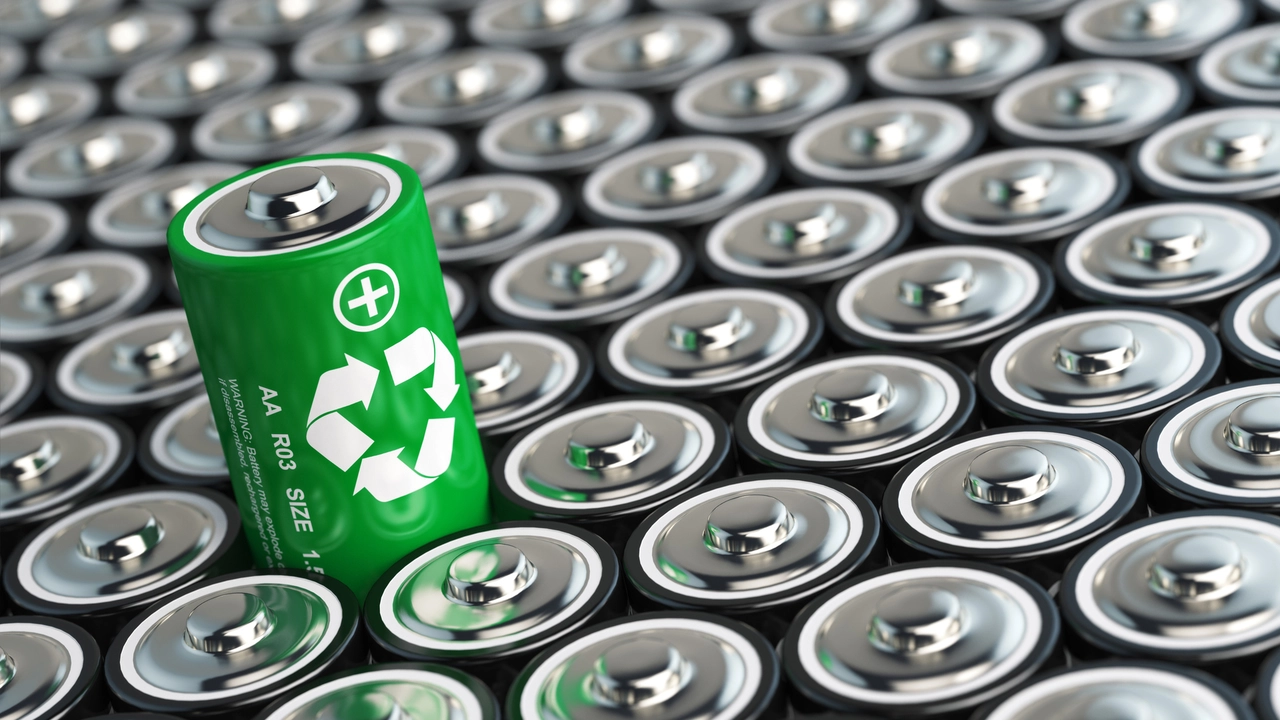
As a blogger, I've come across the pressing issue of lithium-ion battery recycling, which is becoming increasingly important due to the growing waste stream. With the rise in demand for electric vehicles and electronic devices, the need for a sustainable recycling solution is more urgent than ever. The challenges include the high cost of recycling processes, safety concerns, and the lack of standardized recycling methods. By overcoming these challenges, not only can we reduce the environmental impact of lithium-ion batteries, but also recover valuable materials for reuse. It's crucial that we invest in research and collaboration among industries to find efficient and eco-friendly ways to recycle these batteries.
Details +