Small choices change how well a medicine works and how safe it is. These tips are practical—what to check on a bottle, how to store drugs, how to avoid common interactions, and how to buy meds online without getting burned. No fluff, just the actions you can take right now.
Always read the label at pickup. Look for the active ingredient, expiry date, and any special storage notes. Some things, like many pills, do fine at room temperature; others need cold storage. Insulin and some biologics usually require refrigeration (2–8°C) until opened; once in use most can be kept at room temperature for a limited time—check the leaflet or ask your pharmacist.
Use a pill organizer or set phone alarms for daily meds. If you miss a dose, take it when you remember unless it’s almost time for the next dose—don’t double up without asking your pharmacist. Keep a single up-to-date list of all prescriptions, OTCs, and supplements and carry it to appointments. That list should include dosages and why you take each item.
If you buy medication online, verify the pharmacy first. Look for a real business address, a working phone number, and a licensed pharmacist you can contact. Secure checkout (https://), clear return and privacy policies, and visible licensing badges help—but still double-check by calling the pharmacy directly. Avoid sites that sell controlled drugs without a prescription or that offer dramatically low prices with no contact info.
Check product IDs like a DIN or national registration number on Canadian products. Read recent reviews but don’t rely on only star ratings—watch for repeating complaints about delivery or fake products. When in doubt, ask your regular pharmacy or clinician to recommend a trustworthy online source.
Watch for common interactions and everyday risks. Grapefruit juice can raise blood levels of some statins and calcium-channel blockers. St. John’s Wort can lower effectiveness of birth control pills and some antidepressants. Alcohol can change how painkillers, sedatives, and certain diabetes meds work. Tell your pharmacist about herbal products, vitamins, or energy drinks you use—those matter.
Dispose of unused meds safely. Use local drug take-back programs or follow label instructions. If no take-back is available, mix pills with undesirable material (like coffee grounds), seal them, and throw them away—keep them out of reach of kids and pets.
If something feels off—new symptoms, unexpected side effects, or a pill that looks different—contact your pharmacist or prescriber right away. Small checks and simple habits save time, money, and stress. Stay curious, keep records, and ask questions when you need clarity.
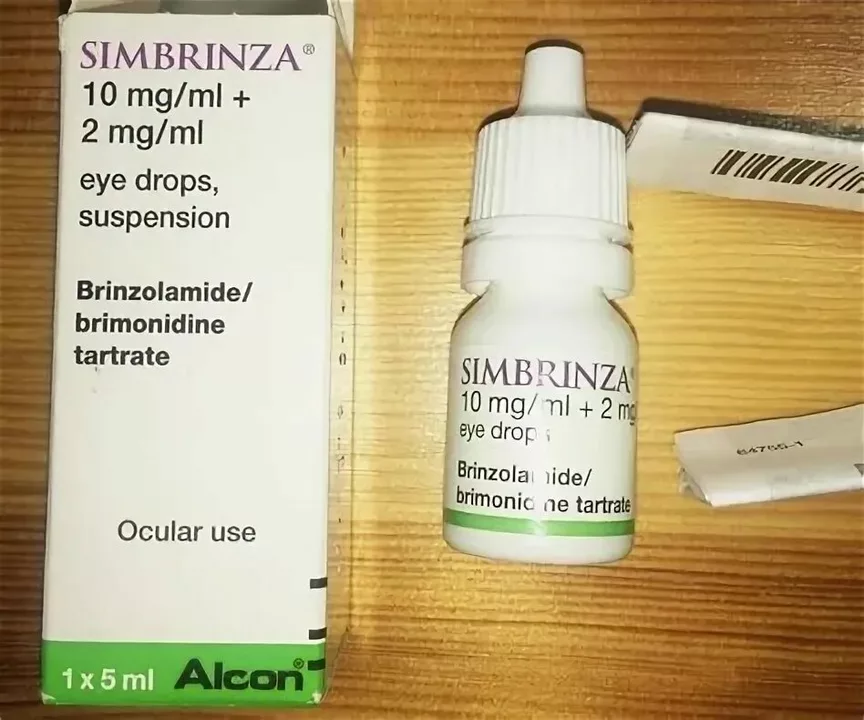
As a frequent user of brimonidine tartrate eye drops, I know that maintaining proper hygiene is crucial for preventing infections and ensuring the effectiveness of the treatment. To help fellow users, I've gathered some essential tips to follow. Firstly, always wash your hands thoroughly before handling the eye drops to avoid transferring germs. Secondly, avoid touching the dropper tip to any surface, including your eye, to prevent contamination. Lastly, make sure to replace the cap securely after each use, and never share your eye drops with anyone else.
Details +