Tretinoin is a prescription topical retinoid doctors prescribe for acne and sun-damaged skin. It’s the active form of vitamin A, so it works faster and stronger than over-the-counter retinol. If you’re thinking about tretinoin, here’s a clear, practical guide on what to expect and how to use it without wrecking your skin.
Tretinoin helps unclog pores, speed up skin cell turnover, and boost collagen over time. For acne, many people see fewer new pimples in 6–12 weeks. For fine lines and sun damage, improvements usually show after a few months and keep getting better over 6–12 months. Don’t expect overnight fixes—consistency matters.
Remember: tretinoin is not the same as oral isotretinoin (Accutane). Topical tretinoin acts locally and is much less system-wide, but it’s still strong and needs respect.
Start slow. Apply a pea-sized amount for your entire face, once each night. If your skin gets too irritated, try every other night or every third night and build up. Put it on clean, dry skin—waiting 20–30 minutes after washing can cut irritation.
Moisturizer is your friend. Use a gentle, fragrance-free moisturizer either before (light layer) or after tretinoin, or both. This "sandwich" method reduces peeling and redness. Avoid harsh cleansers, strong acids (like glycolic or salicylic acid), and physical scrubs while you’re using tretinoin—these can make irritation worse.
Sunscreen daily. Tretinoin increases sun sensitivity. Use broad-spectrum SPF 30+ every morning and reapply if you’re outside. Limit direct sun exposure until your skin adapts.
Be careful with other actives. Benzoyl peroxide can break down tretinoin if used at the same time; many people use benzoyl peroxide in the morning and tretinoin at night. If you want to use vitamin C serums, apply them in the morning and monitor for irritation when adding new products.
Avoid waxing, aggressive chemical peels, and laser treatments while your skin is acclimating. Wait until irritation settles and check with your provider before combining procedures.
Common side effects include redness, dryness, flaking, and initial worsening of acne (the purge). If you get severe swelling, blistering, or persistent irritation, stop and call your prescriber.
Pregnancy note: While topical tretinoin has low absorption, most providers avoid it during pregnancy and breastfeeding. Ask your doctor if you’re pregnant or planning to become pregnant.
Final thought: tretinoin can be very effective, but it needs patience and sensible care. Start gently, protect your skin from the sun, use moisturizer, and check in with your prescriber if you’re unsure. Small daily steps beat dramatic changes that irritate your skin.
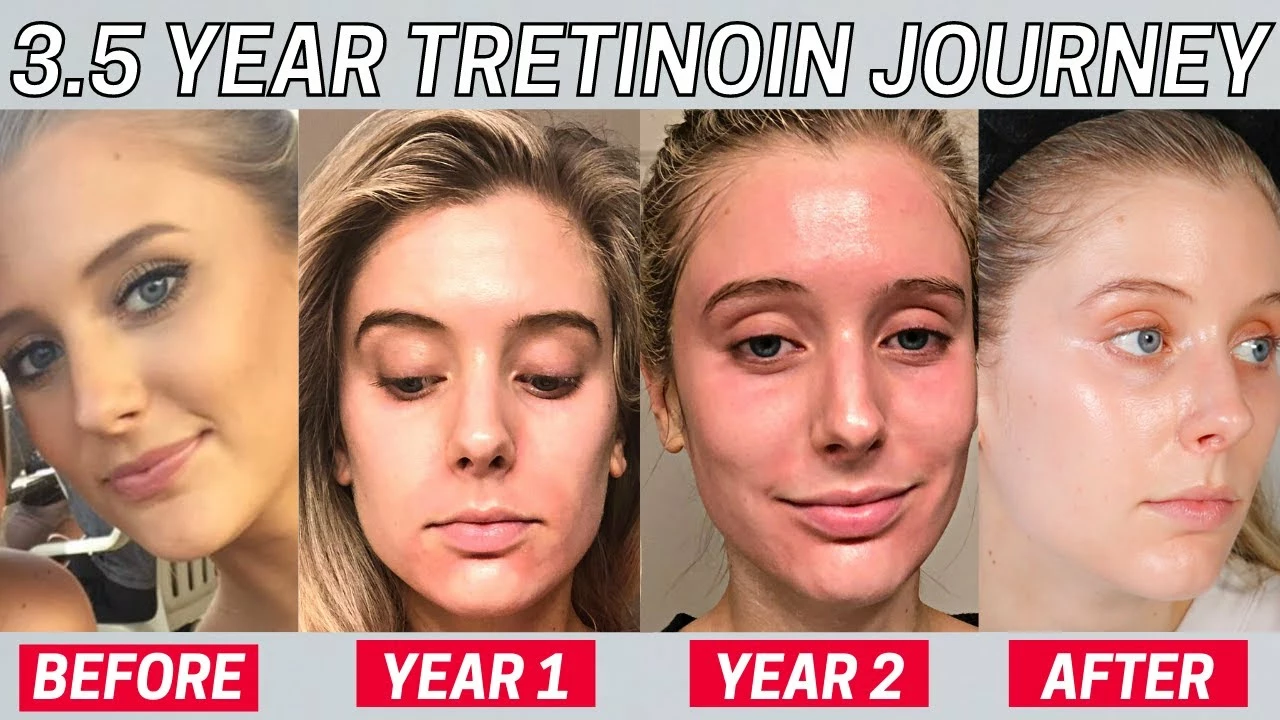
Tretinoin, a popular acne and anti-aging treatment, has proven to be effective for many. However, the question of how long it takes to see results remains. In my experience, noticeable improvements in skin texture and appearance can be seen within 6-8 weeks of consistent use. It's important to remember that everyone's skin is unique, and some may see quicker results than others. Remember to be patient and consistent with your skincare routine for the best results!
Details +