Want to avoid getting sick or passing germs to others? Proper hygiene is the fastest, cheapest way. Small routines—when done right—make a big difference. Below are clear, practical steps you can start using today at home, work, or when visiting someone in a hospital.
Hands pick up and spread most germs. Wash when you get home, before eating or cooking, after using the bathroom, after blowing your nose, and after caring for someone who’s sick. Here’s a quick method that actually works:
- Wet hands, lather soap for at least 20 seconds (sing "Happy Birthday" twice).
- Scrub palms, backs, between fingers, thumbs and under nails.
- Rinse well and dry with a clean towel or air dryer.
- Use an alcohol-based hand rub (60%+ alcohol) if soap and water aren’t available.
Don’t forget nails and jewelry. Dirt and microbes hide under long nails and inside rings. Keep nails short and clean. If you work in healthcare or care for vulnerable people, follow facility rules on gloves and hand hygiene—proper washing reduces risks like candidemia and other serious infections.
High-touch surfaces spread germs fast: door handles, light switches, phones, remotes, and kitchen counters. Wipe them daily with household disinfectant if someone is sick, and at least weekly otherwise. For shared spaces, use disposable wipes or a clean cloth and let surfaces air dry when a disinfectant requires contact time.
Food and kitchen hygiene matter. Wash fruits and veggies, cook meats to safe temperatures, and separate raw foods from ready-to-eat items. Clean cutting boards and utensils after each use to avoid cross-contamination. When storing food, refrigerate leftovers within two hours.
Simple wound care prevents infections. Clean minor cuts with soap and water, apply an antiseptic if available, cover with a sterile bandage, and change dressings daily or when wet. Watch for increasing redness, swelling, heat, or pus—see a healthcare provider if those signs appear.
Respiratory hygiene helps stop airborne spread. Cover coughs and sneezes with your elbow or a tissue, then wash hands. If you’re sick, stay home when possible, wear a mask in crowded places, and avoid close contact with people who have weak immune systems.
Personal items like toothbrushes, razors, and makeup should be kept separate and replaced when shared or contaminated. Laundry: wash clothing and bedding regularly and use hot water for items soiled by illness.
Pregnant people and those with eye concerns should tell their provider about any changes. Some health states change during pregnancy, so a quick check with a clinician keeps things safe.
Good hygiene is about small, repeatable actions: proper handwashing, clean surfaces, safe food handling, and smart wound care. Do these well and you’ll cut your chance of getting sick—and stop spreading germs to the people you care about.
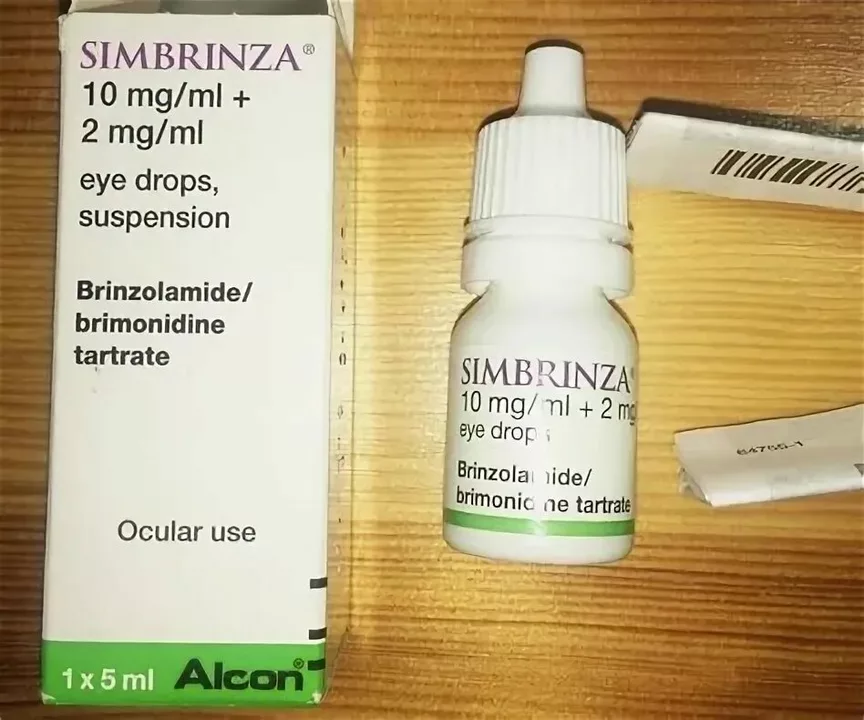
As a frequent user of brimonidine tartrate eye drops, I know that maintaining proper hygiene is crucial for preventing infections and ensuring the effectiveness of the treatment. To help fellow users, I've gathered some essential tips to follow. Firstly, always wash your hands thoroughly before handling the eye drops to avoid transferring germs. Secondly, avoid touching the dropper tip to any surface, including your eye, to prevent contamination. Lastly, make sure to replace the cap securely after each use, and never share your eye drops with anyone else.
Details +