Pregnancy is exciting, but it brings real risks worth knowing about. Some issues are common and manageable; others need quick action. This page gives straightforward, practical facts you can use now—what to watch for, how to handle medications, and simple steps to lower risk.
Miscarriage usually happens early and often shows as vaginal bleeding or cramping. Preterm birth (baby before 37 weeks) can start with contractions, pressure, or leaking fluid. Preeclampsia shows up as high blood pressure plus sudden swelling, severe headaches, or vision changes. Gestational diabetes often has no symptoms but is picked up on routine screening, usually around 24–28 weeks. Infections like the flu, urinary infections, or listeria can harm pregnancy if untreated.
Not all symptoms mean something serious, but don’t guess. If you notice heavy bleeding, severe pain, sudden swelling, severe headaches, blurred vision, fever over 38°C (100.4°F), or a big drop in baby movements, call your provider right away.
Medications matter. Some are safe, some aren’t. For example, isotretinoin (used for severe acne) can cause major birth defects and must never be used during pregnancy. Warfarin is linked to fetal problems; many doctors switch pregnant patients to low-molecular-weight heparin instead. Vaccines like the flu shot and Tdap are recommended during pregnancy to protect both you and baby.
Always check every medicine—prescription, over-the-counter, and supplements—with your doctor or pharmacist before taking it. If you buy meds online, use reputable pharmacies and double-check that dosing and instructions match your provider’s advice. If you’re unclear, ask the pharmacy to contact your prescriber directly.
Simple habits cut risk a lot. Take folic acid before and during early pregnancy to lower neural tube defect risk. Get regular prenatal visits so your care team can catch high blood pressure, anemia, or gestational diabetes early. Quit smoking, skip alcohol, and limit caffeine (under 200 mg daily). Eat fish lower in mercury (salmon, sardines) and avoid raw or undercooked meats and unpasteurized cheeses.
Some health issues change in pregnancy. For example, eye pressure can shift; if you have glaucoma or notice vision changes, tell your eye doctor. Chronic conditions like asthma, epilepsy, or depression need a care plan so meds and symptoms stay under control while keeping the baby safe.
Final practical checklist: keep prenatal appointments, take prescribed vitamins, track baby movements in the third trimester, learn warning signs, and get your vaccines. When in doubt, call your clinic—fast answers beat second-guessing. If you need help checking a medicine or finding reliable pharmacy info, use our Contact page to reach out and we’ll point you in the right direction.
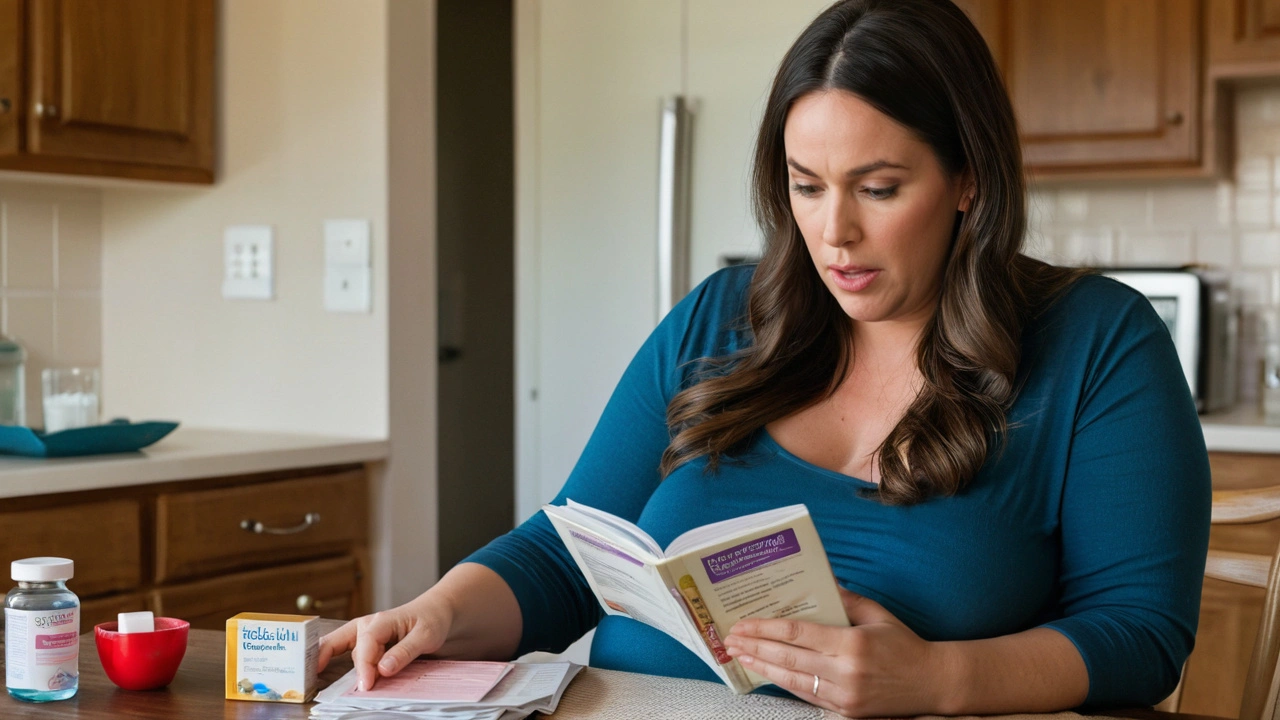
This article delves into the potential risks of birth defects associated with ethinyl estradiol use. It covers key facts about the substance, studies on its safety during pregnancy, and practical tips for expecting mothers. Readers will gain a clear understanding of ethinyl estradiol's impact and how to make informed health decisions.
Details +