Got red or pink marks left after pimples? That’s post-inflammatory erythema (PIE). It happens when inflammation damages tiny blood vessels close to the skin surface, so the area stays red even after the bump is gone. PIE isn’t the same as brown spots—those are post-inflammatory hyperpigmentation. PIE responds to different treatments, and you can speed healing with a few simple moves.
Acne is the most common trigger, but any skin injury that inflames tissue can cause PIE: picking spots, aggressive exfoliation, or some cosmetic procedures. The redness is visible because capillaries dilate or stay slightly broken near the surface. Sun exposure makes it worse by increasing blood flow and slowing repair. People with fair or thin skin often notice PIE more, but anyone can get it.
PIE usually looks pink, red, or purple and flares when you heat the skin or are embarrassed. It may fade over months, but stubborn patches can last a year or more without targeted care. Prevention helps: treat active acne early, resist picking, and use sunscreen every day.
Start with gentle, consistent basics. Use a mild cleanser, a hydrator that contains niacinamide or ceramides, and SPF 30+ daily. Niacinamide reduces redness and strengthens the skin barrier. Azelaic acid is another topical that calms inflammation and can help redness over weeks. Vitamin C serums may assist by encouraging blood vessel repair and brightening the skin tone. If you use retinoids, expect initial irritation but long-term remodeling that helps marks fade.
For visible improvement faster, consider light-based or in-office options. Vascular lasers and intense pulsed light (IPL) target blood vessels and often improve PIE after several sessions. Pulsed dye laser (PDL) is commonly used for redness and usually requires multiple treatments spaced weeks apart. Microneedling can help by stimulating collagen and improving skin texture; some clinicians combine it with topical agents. Low-level red light therapy (LED) can reduce inflammation and aid recovery with regular use.
If you need a quick cover-up, green-tinted color correctors neutralize red, then apply a mineral foundation or tinted sunscreen. Avoid harsh physical exfoliants and strong peels while redness is active—these can make things worse. Always patch-test new actives and talk to a dermatologist before laser or medical procedures.
Final practical notes: protect healed and healing skin from sun, stop picking, and be patient—PIE fades but often slowly. If home steps don’t help after a few months, a dermatologist can recommend lasers or prescription topical options tailored to your skin. Small, steady moves usually give the best and safest results.
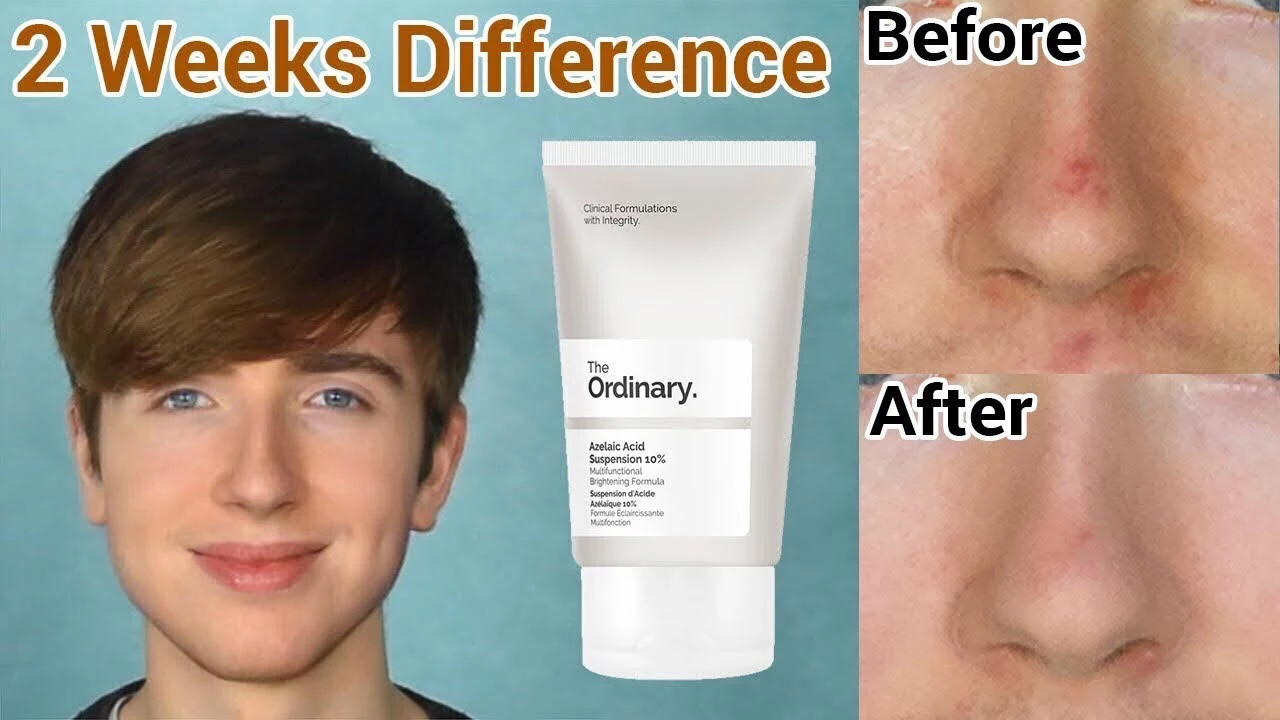
As a skincare enthusiast, I recently discovered the wonders of azelaic acid in addressing post-inflammatory erythema (PIE). This condition, characterized by red or brown marks left behind after acne, can be quite frustrating to deal with. Azelaic acid, a naturally-occurring ingredient, has both anti-inflammatory and antioxidant properties that help reduce redness and promote skin healing. Additionally, it's suitable for all skin types, making it a versatile and accessible treatment option. Personally, incorporating azelaic acid products into my skincare routine has made a significant difference in the appearance of my PIE, and I'm excited to share this find with others!
Details +