Polymorphous light eruption, often called PMLE or a "sun allergy," is a common rash that shows up after sun exposure. It usually appears in spring or early summer when skin first meets stronger sunlight. The rash can be itchy, red, or bumpy and often worries people who don’t know what it is. Knowing what to expect helps you avoid flare-ups and treat symptoms quickly.
PMLE most often causes small red bumps, blisters, or raised patches on skin exposed to the sun — think forearms, chest, neck, and legs. Symptoms usually start hours to a few days after exposure. It’s more common in women and in people with lighter skin, but anyone can get it. If you’ve had a similar rash in past springs that clears when you avoid sun, PMLE is a likely cause.
People sometimes confuse PMLE with sunburn, contact dermatitis, or lupus-related photosensitivity. A quick difference: sunburn hurts and feels hot right away, while PMLE tends to be itchy and comes later. If the rash is severe, lasts a long time, or comes with fever or joint pain, see a doctor to rule out other conditions.
Prevention is the best strategy. Use a broad-spectrum sunscreen (SPF 30 or higher) and reapply every two hours if you’re outdoors. Wear long sleeves, wide-brim hats, and sunglasses. Try to avoid direct sun when UV is strongest (usually 10 am to 4 pm).
Another useful step is gradual sun exposure, called "hardening." Start with short, controlled time in the sun early in the season and slowly increase exposure over days or weeks. For people with repeated severe flares, some doctors recommend supervised phototherapy before the sunny season to help the skin adapt.
Don’t forget clothing choices: tightly woven fabrics and UPF-rated garments block more UV than thin or wet clothes. Stay aware of reflective surfaces like water and snow that increase UV exposure even on cooler days.
If prevention fails, treatments aim to ease itching and inflammation. Over-the-counter antihistamines can help with itch. Topical corticosteroid creams reduce redness and swelling. For more severe or widespread cases, a doctor may prescribe stronger topical steroids, short courses of oral steroids, or phototherapy. Low-dose immunosuppressants are rare options for stubborn cases and require specialist care.
When should you see a doctor? If the rash is very painful, spreads beyond exposed areas, keeps returning despite prevention, or if you have other worrying symptoms, get checked. A dermatologist can confirm the diagnosis and suggest a treatment plan tailored to your skin and lifestyle.
PMLE is frustrating but manageable. With simple sun habits, the right sunscreen, and prompt treatment when needed, most people get through the season with fewer flare-ups and less itch. Got repeated spring rashes? Make a plan now before the next sunny day.
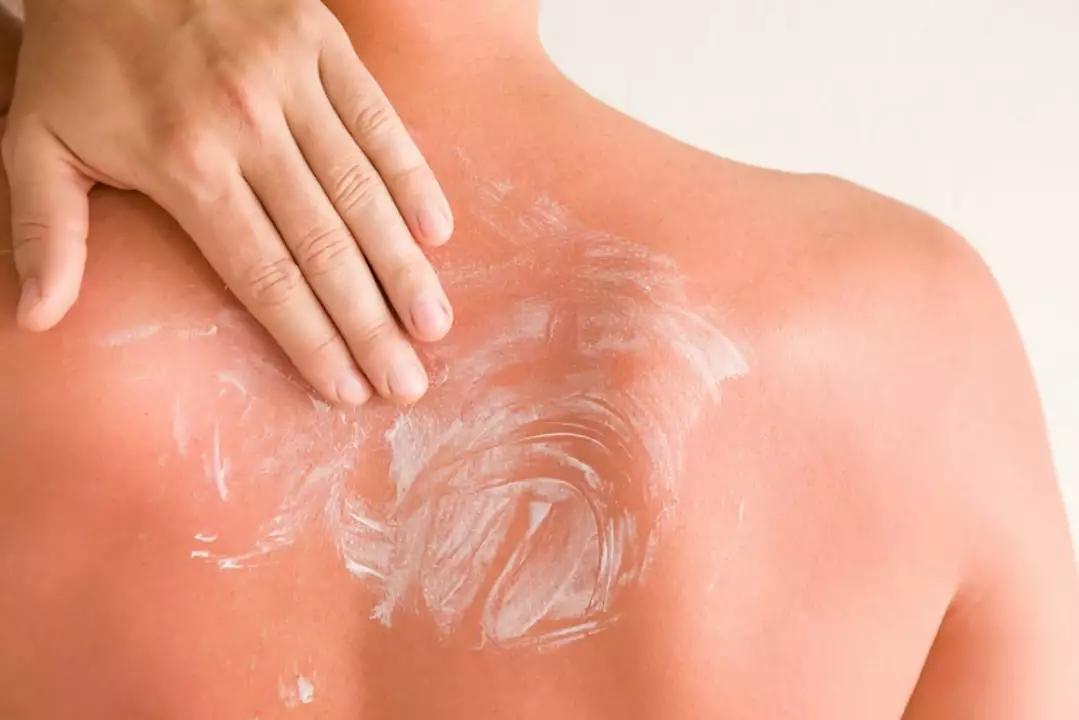
In today's blog, we'll discuss whether betamethasone can help with symptoms of polymorphous light eruption (PMLE), a common skin condition caused by sun exposure. Many people have found relief using betamethasone, a potent corticosteroid, to reduce inflammation and itchiness associated with PMLE. However, it's essential to consult a dermatologist before using any medication, as they can determine the appropriate treatment for your specific case. Although betamethasone may be effective in managing PMLE symptoms, it's crucial to remember that prevention is always better than cure, so make sure to protect your skin from the sun. Stay tuned for more tips and information on dealing with skin conditions in future posts!
Details +