Pneumonia can turn a cough into something serious fast. If you or someone you care for gets a fever, a productive cough, chest pain or trouble breathing, don’t ignore it. Early recognition and the right care make a big difference.
What pneumonia feels like varies. Some people have a high fever, shaking chills and thick green or yellow phlegm. Others—especially older adults—may just feel very tired, confused, or have a lower-than-usual fever. Shortness of breath, fast breathing, and chest pain when you cough are red flags.
Call your healthcare provider if symptoms start suddenly or get worse over 24–48 hours. Go to urgent care or the ER right away if you have severe shortness of breath, blue lips/face, worsening confusion, persistent high fever, or very fast heart rate. Babies, people over 65, and anyone with chronic lung disease, heart disease, diabetes, or a weakened immune system should seek care early.
Your clinician will usually listen to your lungs, check oxygen levels, and may order a chest X-ray or blood tests. Those tests help tell if the infection is bacterial, viral, or something else—this matters for choosing the right treatment.
Bacterial pneumonia is commonly treated with antibiotics. If your doctor prescribes antibiotics, take them exactly as directed and finish the course even if you feel better. Stopping early can promote resistant bacteria. Viral pneumonia (like from flu or COVID) won’t respond to antibiotics; antiviral drugs may be used in some cases.
At home, rest, hydration, and fever control (acetaminophen or ibuprofen if appropriate) help. Use a humidifier or warm showers to ease chest discomfort and loosen mucus. If your oxygen level is low, supplemental oxygen in hospital may be required. Smoking makes recovery slower—cutting back or quitting helps right away.
Prevention matters. Annual flu shots and pneumococcal vaccines cut your risk of serious pneumonia. Good hand hygiene, avoiding close contact with sick people, and staying current with vaccines are simple steps that protect you and others. If you have COPD or asthma and use inhalers, keep your conditions under control—stable airways lower your pneumonia risk.
Antibiotic resistance is real. Don’t pressure a provider for antibiotics when they’re not needed. If you’re unsure about a medication, ask how long to expect to feel better and when you should follow up. For safe medication choices and help understanding treatment options, our site offers plain-language guides and tips to talk with your clinician.
If you’re worried now, reach out to a healthcare professional. Quick action keeps small infections from becoming big problems.
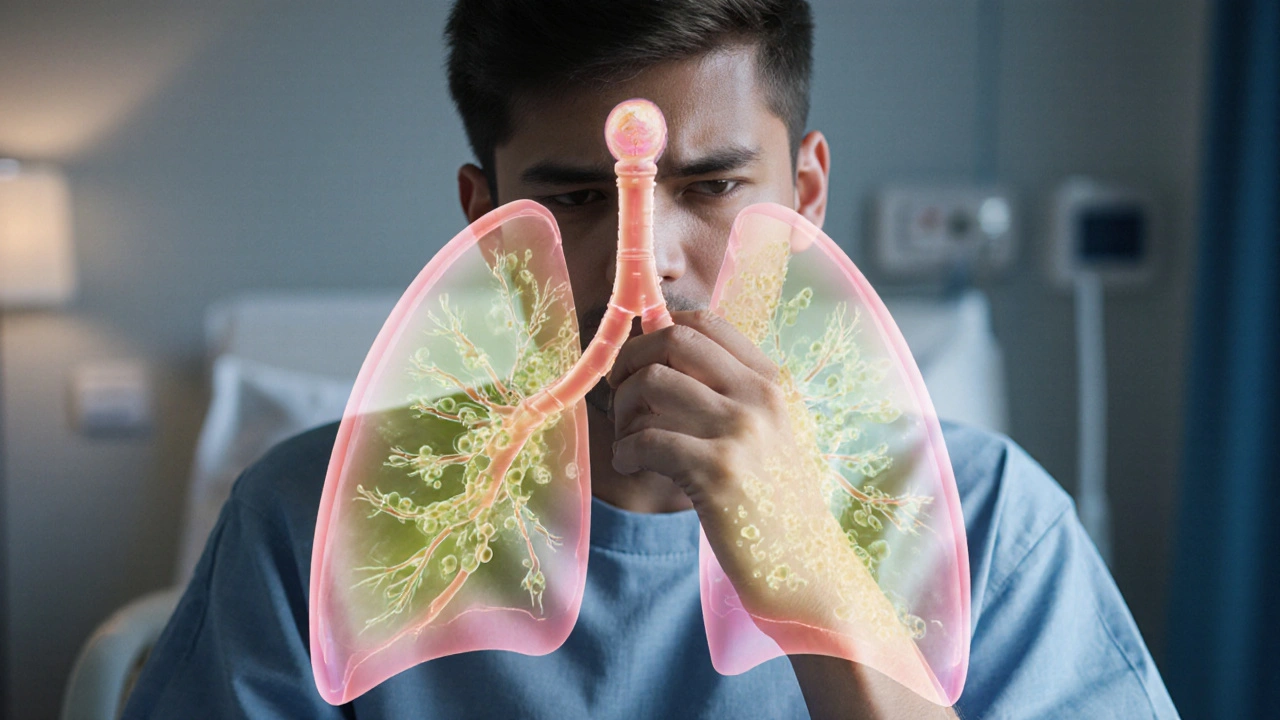
Learn what triggers pneumonia, how to spot its key symptoms, and the best ways to diagnose, treat, and prevent this lung infection.
Details +
Pneumonia can bring more than just a stubborn cough; it often arrives with chest pain too. This discomfort can confuse and worry many, blurring the line between pneumonia and other chest conditions. Knowing the signs, reasons, and remedies for this specific pain can help alleviate fears and guide you to seek the right care. We'll also uncover a few unexpected facts about pneumonia that could surprise you.
Details +