Nasal decongestants are medicines that shrink swollen blood vessels inside your nose so air can flow easier. You can find them as sprays (oxymetazoline, phenylephrine) or pills (pseudoephedrine). They work fast and help when you need quick relief from a blocked nose, but they aren’t meant for long-term use.
Follow the label and use the lowest effective dose. For most over-the-counter sprays, don’t use more than three days in a row. Using sprays longer can cause rebound congestion — your nose gets worse once the spray wears off. Tilt your head forward, spray once in each nostril, and breathe gently. If you use other nasal meds like steroids, space them out so they don’t mix at the same time.
Oral decongestants like pseudoephedrine help people who can’t use sprays or need whole-body relief, but they raise blood pressure and can make you jittery or keep you awake. Don’t take oral decongestants late at night if you are sensitive to stimulants.
Avoid decongestants if you have uncontrolled high blood pressure, serious heart disease, glaucoma, or certain prostate problems without checking your doctor. Also skip them if you take MAO inhibitors or certain antidepressants unless your prescriber approves. Pregnant and breastfeeding people should ask their provider before using decongestants.
Side effects can include a fast heart rate, headache, trouble sleeping, dry nose, or nervousness. If you notice severe chest pain, very high blood pressure, or sudden vision changes after taking a decongestant, stop and get medical help.
If you prefer drug-free options, try saline rinses, steam, humidifiers, warm compresses on the sinuses, and staying hydrated. Nasal steroid sprays are better for ongoing congestion tied to allergies but take several days to start working. For colds, rest and fluids plus simple remedies often do the job.
Buy decongestants from trusted pharmacies and read labels carefully — many cold medicines combine decongestants with pain relievers or cough medicines. Pseudoephedrine may be kept behind the counter in some places, and you may need to show ID. Keep medicines away from children and follow dosing instructions exactly.
See a doctor if congestion lasts more than ten days, if you have a high fever, thick bloody discharge, severe facial pain, or if your symptoms keep returning. Those signs could mean a sinus infection or another issue that needs targeted treatment.
Quick tips: try the spray for short bursts only, use oral pills for whole-body congestion, never double up on multiple medicines with the same active ingredient, and always check labels for hidden decongestants. For kids, use age-appropriate saline drops and ask a pediatrician before giving medicated decongestants. Travelers with heart disease or high blood pressure should pack non-medicated remedies and check with their doctor before flying. If you’re unsure which option fits your health, call your pharmacist or doctor — a quick question can prevent problems and keep your breathing steady. Save the medicines for when you truly need them now.
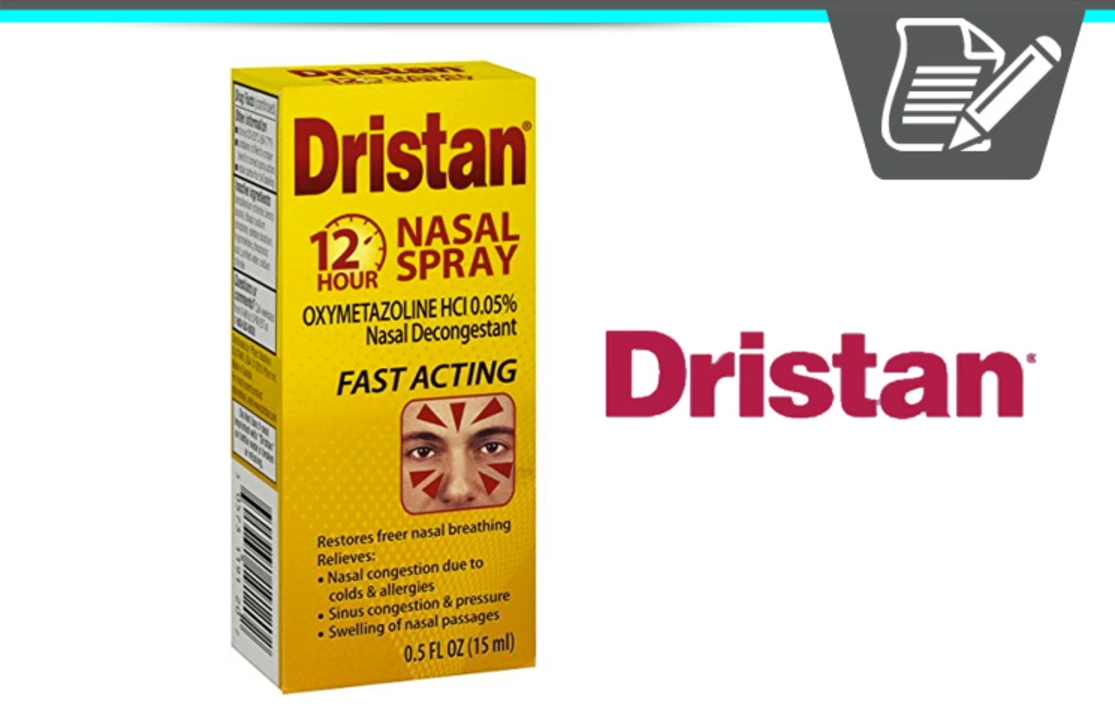
As a sufferer of allergies myself, I've been quite intrigued by the role of Oxymetazoline Hydrochloride in providing relief from this pesky condition. This active ingredient, commonly found in over-the-counter nasal sprays, has proven to be quite effective in alleviating nasal congestion caused by allergies. By narrowing the blood vessels in the nasal passages, Oxymetazoline Hydrochloride helps reduce swelling and inflammation, allowing us to breathe easier. However, it's important to remember not to overuse these nasal sprays, as that can lead to a condition called rebound congestion. Overall, Oxymetazoline Hydrochloride has been a game-changer for many allergy sufferers, offering much-needed relief from an otherwise irritating condition.
Details +