Feeling stuck and looking for a real place to begin? Narcotics Anonymous (NA) is a free, anonymous peer support group built around the 12-step recovery model. Meetings are run by people who’ve been there, and the goal is simple: help each other stop using and stay clean a day at a time. If you want straightforward guidance, this page gives practical steps to find meetings, join a group, and handle questions about medication and safety.
Start with the official NA website or a local helpline to see meeting times and formats. Meetings vary: speaker meetings (someone shares a story), discussion meetings (group talks), and topic meetings (like relapse prevention). Pick one that feels right. If you’re nervous, try a smaller discussion meeting first—people are usually welcoming and quiet at the start.
Check meeting details: is it in-person, online, or hybrid? Is it gender-specific or all welcome? If accessibility matters, look for wheelchair access or childcare notes. Show up early, sit where you feel comfortable, and listen for a few minutes before you speak. You don’t need to share until you’re ready.
A sponsor is someone who walks with you through the steps and the day-to-day. Ask for a sponsor after a meeting—say you want someone who’s been clean for a while and is patient. Sponsors can give structure: phone check-ins, help with step work, and support during tough moments.
Many people in NA also use medical treatments like naltrexone, methadone, or buprenorphine. Policies vary by group: some welcome medication-assisted treatment, others focus on total abstinence. If you’re unsure, ask a meeting chair or read the group’s guidelines. Always follow medical advice from a doctor when using these medications—NA members can support your recovery, but medical decisions belong to you and your clinician.
Safety first: carry naloxone if you’re at risk of opioid overdose and learn how to use it. If you’re worried about withdrawal, call a healthcare provider or a local treatment service before trying to stop on your own. NA helps with peer support, but medical supervision matters for detox and certain medications.
First meeting tips: introduce yourself simply—"Hi, I’m Alex and I used drugs"—no pressure to share details. Bring a small notebook for contact info or meeting notes. People will often offer phone numbers or invite you to a coffee after the meeting. If a meeting doesn’t feel right, try another—different groups have different vibes.
Want online support? Look for Zoom or phone meetings listed on NA directories. If you need immediate help, call your local emergency number or a crisis line. Recovery is a step-by-step process—NA offers a steady, peer-driven place to start and keep going.
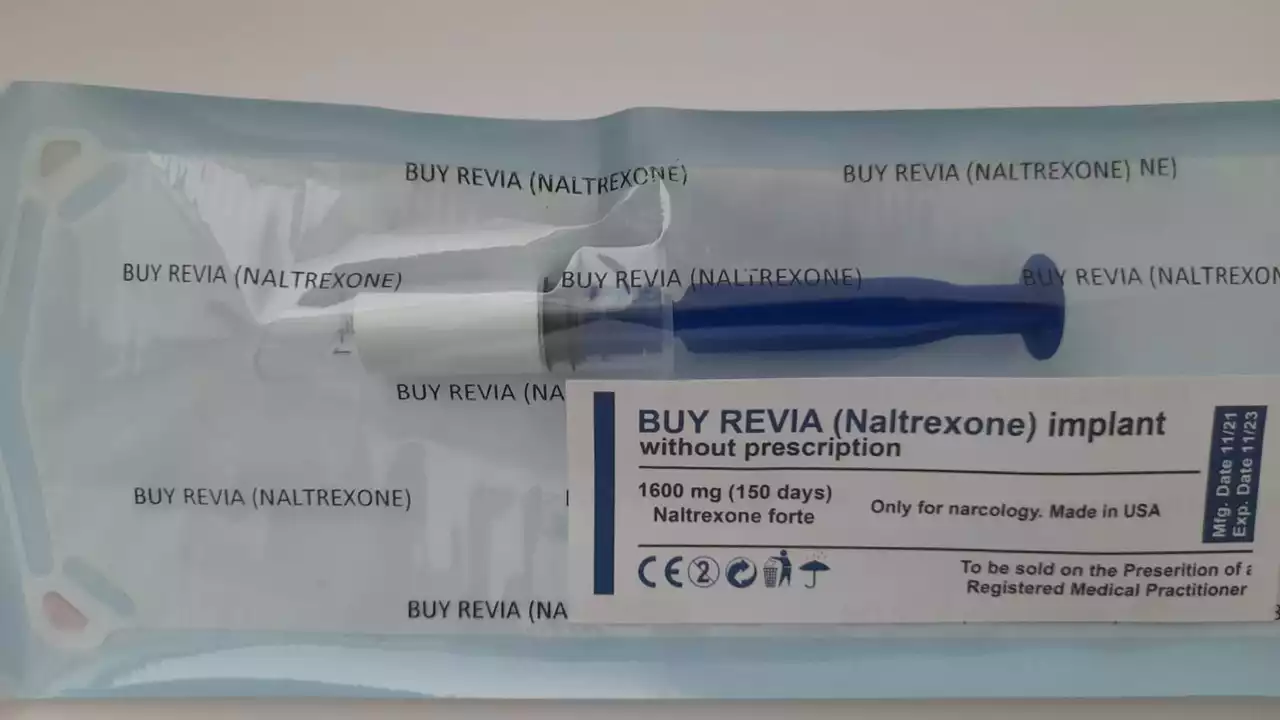
In my latest blog post, I discussed the powerful combination of Naltrexone and Narcotics Anonymous in helping individuals overcome addiction. Naltrexone, a medication that blocks the effects of opioids, has proven to be a valuable tool in preventing relapses. When combined with the support and guidance offered by Narcotics Anonymous, a 12-step program for individuals in recovery, the chances of long-term sobriety significantly increase. This dynamic duo addresses both the physical and emotional aspects of addiction, providing a comprehensive approach to recovery. I believe that this combination is essential for those seeking a successful and lasting recovery from opioid addiction.
Details +