Naltrexone is a medication you’ll see used mainly to prevent relapse in alcohol use disorder and to reduce cravings for opioids after detox. It’s not a painkiller—actually the opposite. Naltrexone blocks opioid receptors, so it stops the effect of opioids and lowers the reward from drinking alcohol for some people. If you’re curious whether it could help you or someone you care about, this page gives practical facts on how it works, dosing, side effects, and safety basics.
Naltrexone is an opioid antagonist. That means it sits on opioid receptors in the brain but doesn’t activate them—so opioids can’t produce euphoria if you take them while naltrexone is active. For alcohol use disorder, the drug seems to reduce the pleasure or urge tied to drinking.
There are two main forms: oral tablets (usually 50 mg once daily) and a long‑acting injectable (Vivitrol®) given once a month at 380 mg. A separate use—called low‑dose naltrexone (LDN)—uses much smaller doses (often 1.5–4.5 mg) and is prescribed off‑label for pain or autoimmune symptoms; evidence there is mixed and still developing.
Typical adult doses: oral 50 mg daily for relapse prevention; injectable 380 mg every 4 weeks. Low‑dose regimens are much lower and usually taken at night. Important safety rule: you must be opioid‑free before starting naltrexone. If you take naltrexone while opioids are in your system, it can trigger sudden, severe withdrawal. Clinicians commonly require at least 7–10 opioid‑free days (longer after methadone or extended‑release opioids).
Naltrexone can interact with opioid pain meds—so if you might need opioids for surgery or severe pain, discuss plans with your provider. Also tell your care team about other medications and supplements you take.
Side effects are usually short term: nausea, headache, dizziness, fatigue, trouble sleeping, and sometimes anxiety. Injectables can cause soreness at the shot site. Rare but serious issues include liver enzyme increases—doctors often check liver tests before and during treatment. Avoid naltrexone if you have acute hepatitis or severe liver disease, and talk about pregnancy or breastfeeding plans with your clinician.
Thinking about buying naltrexone online? You should have a prescription. Use licensed pharmacies, verify their registration, check for a pharmacist you can call, and avoid sites that sell prescription meds without one. Cheap prices can mean low quality, counterfeit, or unsafe handling.
If you’re exploring naltrexone for alcohol or opioid relapse prevention, pair the medicine with counseling or a support plan—medication works best with support. Ask your prescriber about expected benefits, how long to try it, monitoring plans (especially liver tests), and what to do if pain treatment is needed later.
Want a quicker summary? Naltrexone can reduce relapse risk for alcohol or opioid dependence, must be started only after detox, comes as daily tablets or monthly injectable, and needs monitoring for side effects—especially liver issues. Talk with a trusted clinician to see if it fits your plan.
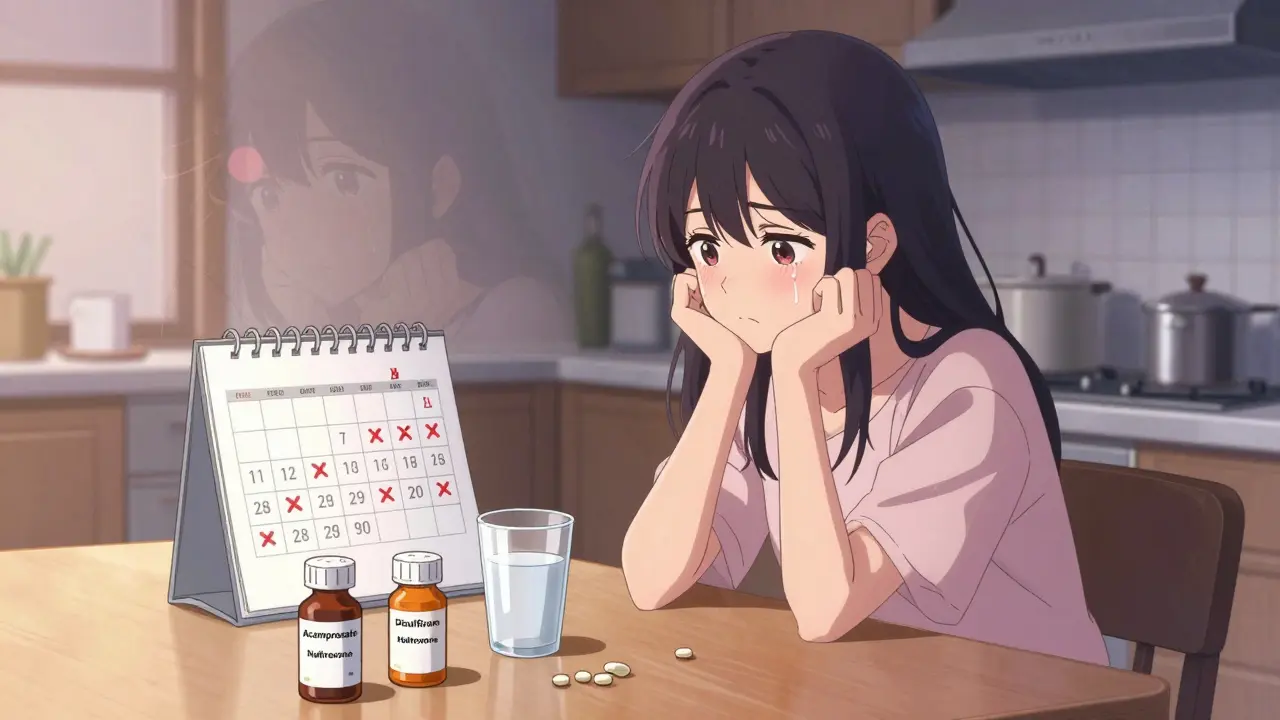
Medications for alcohol use disorder can reduce relapse-but only if used correctly. Learn how naltrexone, acamprosate, and disulfiram work, who they help most, and why many people still relapse despite treatment.
Details +
Naltrexone isn’t your typical medication—it’s got a history in addiction treatment, but that’s just scratching the surface. This article lays out how naltrexone works, what it’s really used for, who it might help, and what the science actually says. Get no-nonsense answers about side effects, real-world results, and even some unexpected uses you probably haven’t heard about. Perfect for anyone who's wondered if it's right for them or someone they care about.
Details +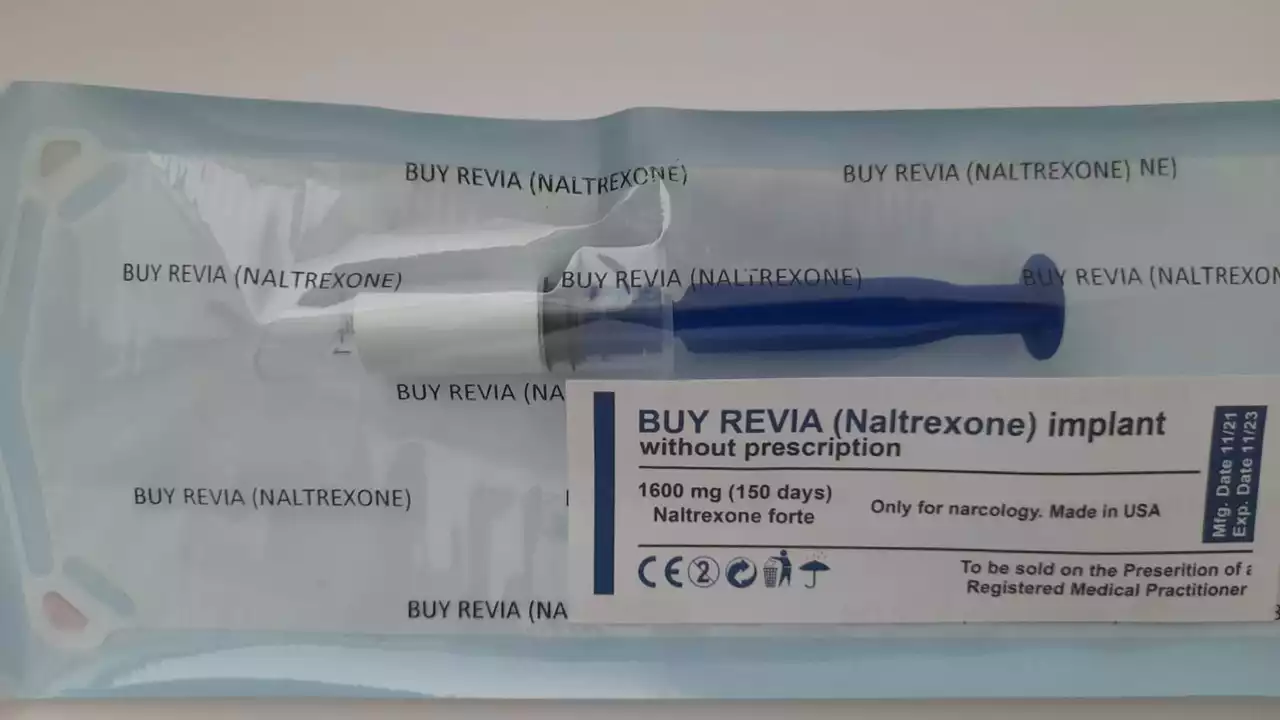
In my latest blog post, I discussed the powerful combination of Naltrexone and Narcotics Anonymous in helping individuals overcome addiction. Naltrexone, a medication that blocks the effects of opioids, has proven to be a valuable tool in preventing relapses. When combined with the support and guidance offered by Narcotics Anonymous, a 12-step program for individuals in recovery, the chances of long-term sobriety significantly increase. This dynamic duo addresses both the physical and emotional aspects of addiction, providing a comprehensive approach to recovery. I believe that this combination is essential for those seeking a successful and lasting recovery from opioid addiction.
Details +