Phones, laptops, e-bikes and power tools all run on lithium‑ion cells. They’re small powerhouses, but when tossed in regular trash they can spark fires and leak toxic metals. Recycling keeps hazardous material out of landfills and recovers valuable metals like lithium, cobalt, nickel and copper. Here’s how to do it right — with simple steps you can use today.
Recycling prevents fires in waste trucks and sorting facilities. It also saves resources: recycling recovers metals that are costly and energy‑intensive to mine. That matters for the environment and for supply chains that make new batteries. Proper recycling also reduces pollution from heavy metals and harmful electrolytes that can contaminate soil and water.
Recycling processes vary. Mechanical recycling shreds batteries and separates metals and plastics. Pyrometallurgy uses high heat to melt and extract metals. Hydrometallurgy dissolves materials in liquids to recover specific elements. Facilities choose methods based on battery type and scale. The takeaway: most parts of a lithium‑ion battery can be reclaimed when handled by the right recycler.
First rule: don’t open or break batteries. Don’t try to remove cells unless you know what you’re doing — it’s risky. For household batteries follow these easy steps: tape the battery terminals with clear or electrical tape, place each battery in its own non‑metallic bag or container, and store them somewhere cool and dry until you can drop them off.
Where to take them: check your municipal hazardous waste depot, electronics recycling events, or retailer take‑back programs. In Canada, Call2Recycle runs many drop‑off sites at retailers and recycling depots — their locator tool is a quick way to find nearby options. Big-box electronics stores, some hardware chains, and local recycling centers often accept rechargeable batteries and small electronics. If you run a business with lots of batteries, ask about hazardous waste pick‑up or specialized battery recycling services.
Avoid shipping damaged or swollen batteries through regular mail. If you must transport them by vehicle, keep them isolated in a non‑conductive container and never leave them in a hot car. If a battery is visibly leaking, smoking, or bulging, move it outdoors to a non‑combustible surface and call local waste authorities for guidance.
Small habits add up: buy devices with replaceable batteries where possible, choose certified battery recycling programs, and look for manufacturers with take‑back or trade‑in offers. Recycling lithium‑ion batteries prevents fires, recovers critical materials, and keeps hazardous waste out of the environment. Do one quick cleanup of your junk drawer — you’ll likely find a few old cells that deserve a proper drop‑off.
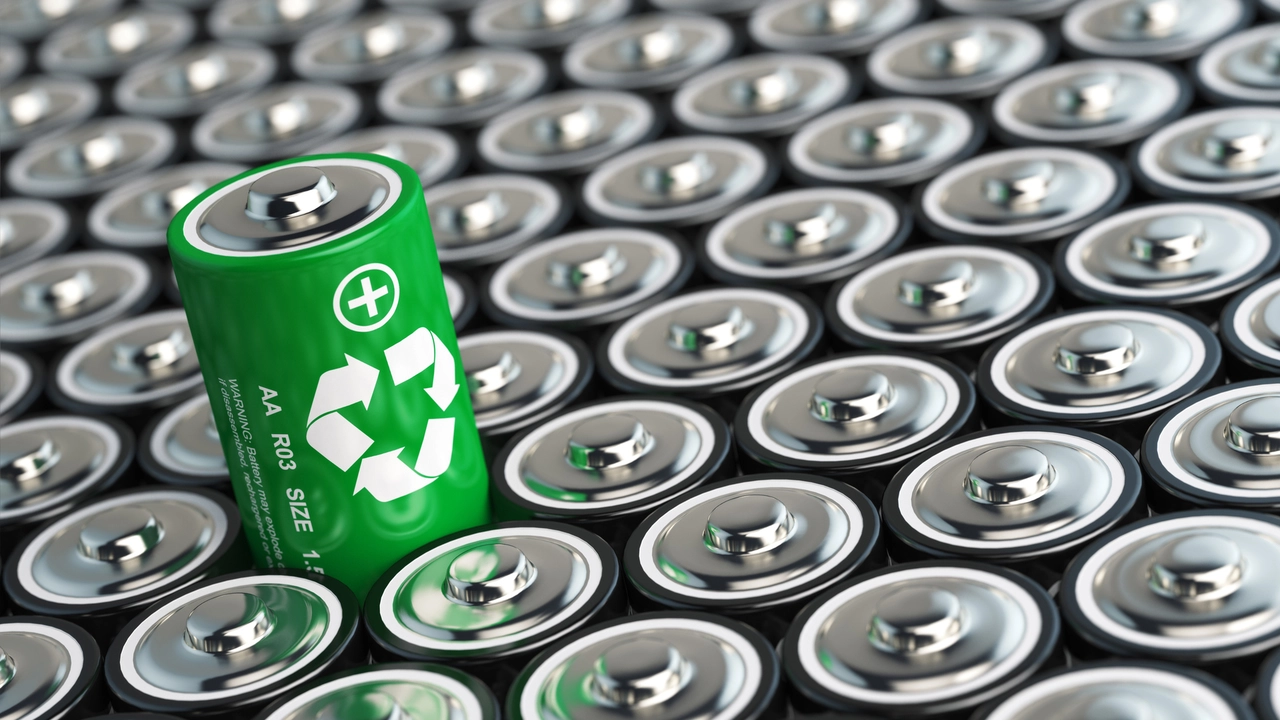
As a blogger, I've come across the pressing issue of lithium-ion battery recycling, which is becoming increasingly important due to the growing waste stream. With the rise in demand for electric vehicles and electronic devices, the need for a sustainable recycling solution is more urgent than ever. The challenges include the high cost of recycling processes, safety concerns, and the lack of standardized recycling methods. By overcoming these challenges, not only can we reduce the environmental impact of lithium-ion batteries, but also recover valuable materials for reuse. It's crucial that we invest in research and collaboration among industries to find efficient and eco-friendly ways to recycle these batteries.
Details +