Unused and expired medicines add up fast. They often sit in bathroom cabinets, get tossed in the trash, or—worse—end up down the drain. That creates health risks, contaminates water, and makes it easier for drugs to reach people or wildlife who shouldn't have them. You don’t need to be an expert to fix this. Small changes matter.
First choice: use a drug take-back program. Many pharmacies, hospitals, and local waste centers run drop-off boxes or scheduled take-back events. If you can, bring meds in the original container and ask staff about safe disposal. If a take-back option isn’t available, look for mail-back envelopes from authorized collectors.
If no official option exists, follow these simple steps: remove pills from their bottles, mix them with something undesirable (used coffee grounds, cat litter, or dirt), put the mix in a sealed bag or container, then toss it in household trash. Before you throw the empty bottle away, scratch out or remove personal details on the label to protect your privacy. Don’t flush meds unless the label or local health authority explicitly says it’s safe—some drugs can be harmful in water systems.
Order and store smarter. Ask your doctor for the smallest effective supply when starting a new medicine. That’s especially useful for short courses where you might stop early because of side effects or recovery. When ordering from online pharmacies, buy only what you need and check expiration dates before checkout. Choose pharmacies that offer consolidated shipping or minimal packaging to cut cardboard and plastic waste.
Keep meds fresh by storing them according to the label—cool, dry places and away from humidity help avoid spoilage. Use a pillbox and set reminders so bottles don’t sit forgotten. If your treatment changes, return unopened items to a take-back site instead of letting them collect dust.
About donating: most unused prescription medicines can’t legally be donated. Only give meds to programs that explicitly accept them and follow strict safety checks. When in doubt, take them to a proper disposal point.
Want quick wins? Check your local pharmacy for a drop-off box, call your city’s waste department for take-back dates, and trim online orders to single fills until you know how you’ll tolerate a medicine. Small habits—ordering less, storing correctly, and using take-back programs—cut waste, protect your family, and keep drugs out of the environment.
Need help finding a take-back option? Ask your pharmacist next time you pick up a prescription. They usually know nearby resources and can point you to safe, legal disposal choices.
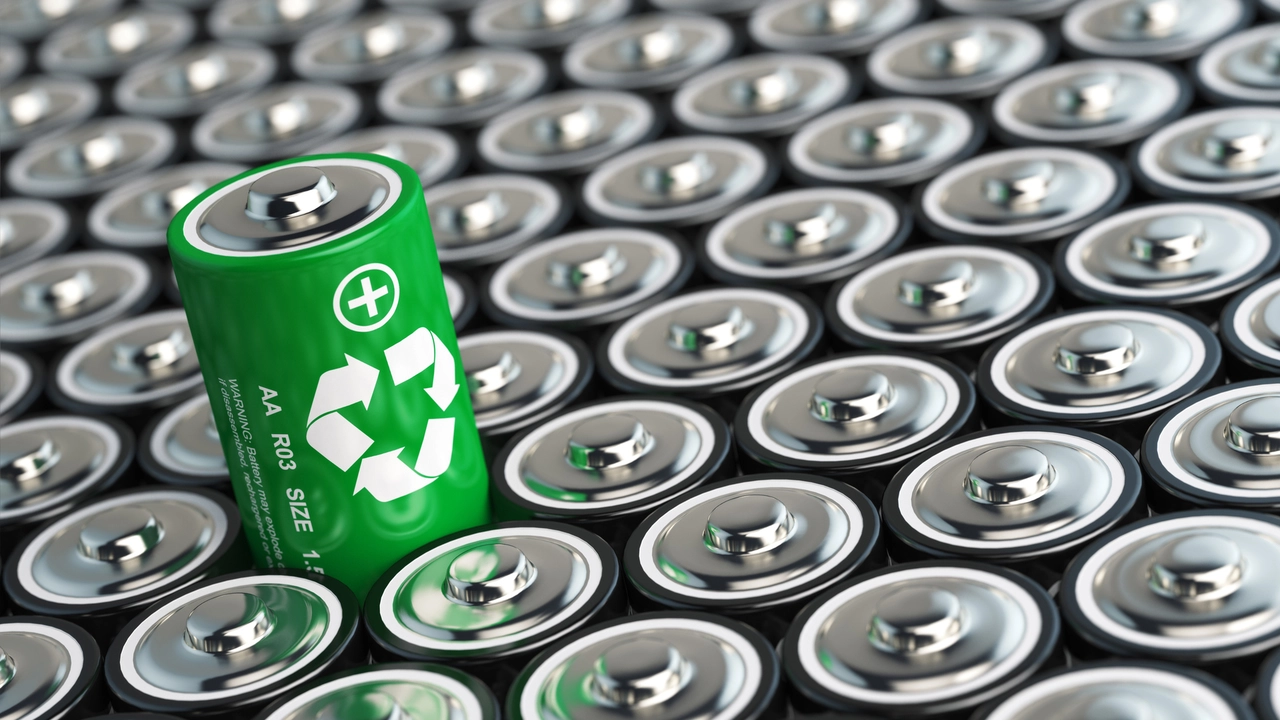
As a blogger, I've come across the pressing issue of lithium-ion battery recycling, which is becoming increasingly important due to the growing waste stream. With the rise in demand for electric vehicles and electronic devices, the need for a sustainable recycling solution is more urgent than ever. The challenges include the high cost of recycling processes, safety concerns, and the lack of standardized recycling methods. By overcoming these challenges, not only can we reduce the environmental impact of lithium-ion batteries, but also recover valuable materials for reuse. It's crucial that we invest in research and collaboration among industries to find efficient and eco-friendly ways to recycle these batteries.
Details +