Eye drops are one of the easiest ways to treat dry eyes, allergies, infections, and glaucoma. But wrong drops or poor technique can waste medicine or cause irritation. This short guide helps you pick the right type, put drops in correctly, and avoid common mistakes.
Over-the-counter lubricating drops (artificial tears) relieve dryness and irritation. Use these for screen fatigue, air travel, or seasonal dryness. Allergy drops often contain antihistamines or mast cell stabilizers to reduce itching and redness. Redness-relief drops (vasoconstrictors) shrink visible blood vessels—use them rarely because they can worsen redness over time.
Prescription drops treat infections (antibiotics), inflammation (steroids or NSAID drops), or chronic eye pressure problems like glaucoma (prostaglandin analogs, beta blockers, alpha agonists). Always follow your doctor’s directions for prescription eye drops. Combining different drops needs caution—some interact or should be separated by minutes.
Wash your hands first. Tilt your head back, pull your lower lid down with one finger to make a small pocket, and hold the dropper above the eye without touching the eye or lashes. Squeeze one drop into the pocket. Close your eye gently for 30–60 seconds and press the inner corner (near your nose) to reduce systemic absorption—this is important for glaucoma or blood-pressure affecting drops.
If you need two different eye drops, wait at least five minutes between them. If one is an ointment, put it last because ointments blur vision for a while. If you miss a dose of a prescription drop, use it as soon as you remember unless it’s almost time for the next dose—don’t double up.
Watch the expiration date. Most opened drops are safe for 28 days, but check the label. Never touch the dropper tip to your eye—this spreads bacteria. If you see cloudiness, a change in color, or worse burning after a few uses, stop and talk to your pharmacist or doctor.
Store drops as the label says. Some need refrigeration; most do not. Keep them away from direct sunlight and children. If someone else uses your drops, toss them—shared eye drops can spread infections.
When should you call a doctor? Get urgent help for sudden vision loss, severe pain, increasing redness, or persistent discharge. See a doctor if symptoms don’t improve after a few days, or if you need redness-relief drops regularly—that’s a sign of an underlying problem.
Picking the right eye drop is easier when you match the symptom: dryness—lubricating drops; itching—antihistamine drops; infection—see a doctor for antibiotics; high eye pressure—use prescription glaucoma drops. Ask your pharmacist if you’re unsure. Small habit changes—proper technique, spacing doses, and safe storage—make eye drops work better and keep your eyes healthy.
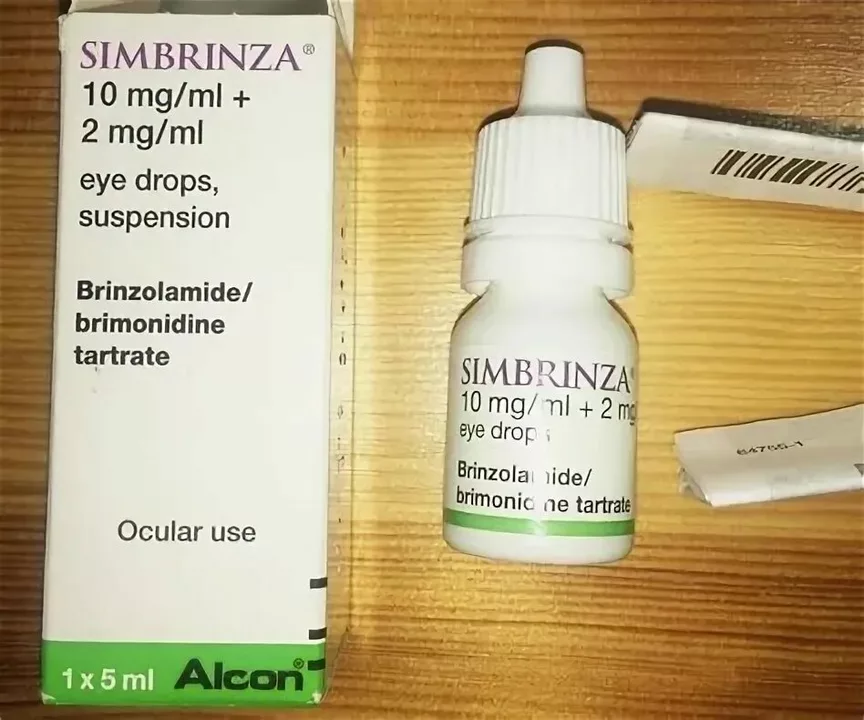
As a frequent user of brimonidine tartrate eye drops, I know that maintaining proper hygiene is crucial for preventing infections and ensuring the effectiveness of the treatment. To help fellow users, I've gathered some essential tips to follow. Firstly, always wash your hands thoroughly before handling the eye drops to avoid transferring germs. Secondly, avoid touching the dropper tip to any surface, including your eye, to prevent contamination. Lastly, make sure to replace the cap securely after each use, and never share your eye drops with anyone else.
Details +