Echinacea is a common herbal remedy people reach for when they feel a cold coming on. It’s available as teas, capsules, tinctures, and extracts. Some trials find a small benefit—mostly when you start taking echinacea right at the first sign of symptoms. That’s the key: timing. Started early, it may shorten a cold by a day or reduce symptom intensity. Started late, it usually won’t help much.
Researchers think echinacea boosts parts of the immune response and reduces inflammation. You can use it for mild colds, or as a short-term support when you’re at higher risk (travel, lots of sick people around, or a busy season). Typical uses I see often: a few days of echinacea at the first sniffle, or a short course during a stressful week. It’s not a cure-all—treat symptoms, rest, and stay hydrated too.
Forms matter. Tea and tinctures act faster but may be less consistent in dose. Capsules and standardized extracts give a predictable amount of active compounds. If you prefer quick relief, a tincture or tea is fine; if you want a consistent dose, pick a capsule or liquid extract with clear labeling.
Short-term use is usually safe for healthy adults. Common minor side effects are stomach upset or mild rash. Avoid echinacea if you have a history of severe allergies to plants like ragweed, mum, or daisy—cross-reactivity can happen. Also talk to your doctor if you have an autoimmune disease, take immunosuppressants, are pregnant, breastfeeding, or planning to give echinacea to children under two.
Suggested practical dosing: follow product instructions. For many standardized extracts, adults often use around 300–500 mg two to three times daily, or a tincture dose per label. Use for short periods—most people stop after 7–10 days or once symptoms ease. If symptoms worsen or don’t improve in a week, see a clinician.
When buying, look for: species listed (Echinacea purpurea or E. angustifolia), a clear ingredient list, third-party testing, and a reputable brand. Avoid supplements that hide amounts of active extract behind vague phrases. If you prefer natural forms, choose loose-leaf tea from trusted herb suppliers and steep as directed.
Bottom line: echinacea can be a useful, short-term tool for managing early cold symptoms if you pick a quality product and use it correctly. If you have health conditions or take medications, check with your healthcare provider before starting it.
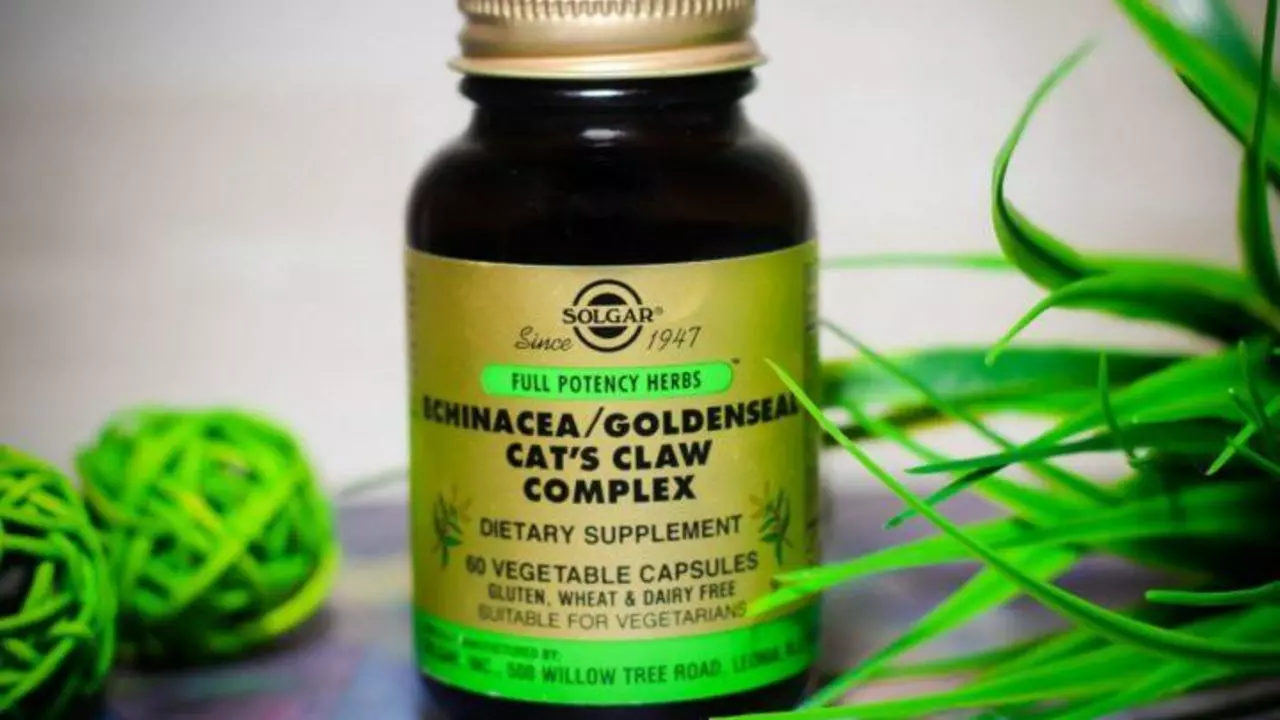
Echinacea is a popular dietary supplement that I've been researching lately, and it's known for its immune-boosting properties. This potent herb, native to North America, comes in various forms like capsules, teas, and extracts. Studies have shown that it can help prevent and shorten the duration of colds and upper respiratory infections. However, it's essential to consult with a healthcare professional before using Echinacea, as some people might have allergies or experience side effects. Overall, Echinacea seems like a promising natural remedy to add to our wellness toolkit, but always remember to use it responsibly.
Details +