Most people take at least one dietary supplement, but not everyone gets value from them. Some supplements help — like vitamin D for people with low levels or folic acid in pregnancy — while others add cost and risk. This page gives clear, usable advice so you can pick supplements that actually fit your needs and avoid wasted money or harm.
Start with a reason. Ask yourself: am I fixing a deficiency, supporting a condition, or just experimenting? If you don’t have a clear reason, skip it. Next, read the label: check the active ingredient, exact dose, serving size, and expiration date. Prefer single-ingredient products for targeted needs; multivitamins are fine if you want broad coverage.
Look for third-party testing like USP, NSF, or ConsumerLab on the bottle — that tells you the product was tested for purity and accurate labeling. Avoid vague claims such as "boosts immunity" without specific ingredients and doses. Check for a lot number and manufacturer contact info; if a brand hides basic details, don’t buy it.
Never assume 'more is better.' Fat-soluble vitamins (A, D, E, K) can build up and cause harm. Stick to recommended doses and avoid combining multiple products that each contain the same vitamin — you can accidentally create a mega-dose. If you take prescription meds, check interactions: St. John's wort, grapefruit, and certain minerals can interfere with common drugs.
Timing matters. Some supplements absorb better with food (omega-3, vitamin D) while iron works best on an empty stomach but may upset some people. Take probiotics and antibiotics at different times. Keep a list of everything you take and bring it to appointments so your provider can review for safety and effectiveness.
Certain groups need special care: pregnant or breastfeeding people, children, older adults, and those with chronic illness. For them, talk to a doctor before starting anything new. Tests can tell you if you actually need a nutrient — a blood test for vitamin D or B12 saves guesswork and money.
Where you buy matters. Use reputable pharmacies, known retailers, or the manufacturer’s official site. Be wary of flashy ads or big promises on unknown sites. Store supplements in a cool, dry place away from humidity and light, and toss anything past its expiry date.
Finally, track results. If you start a supplement, give it a reasonable trial (4–12 weeks for many nutrients) and note changes in symptoms or lab values. If nothing changes or you notice side effects, stop and consult your provider. Smart use of dietary supplements means choosing with purpose, checking quality, and monitoring outcomes — not buying on impulse.

Explore the remarkable healing properties of Astragalus, a powerful herbal supplement that has been used for centuries. Learn how this ancient remedy can boost your immune system, improve cardiovascular health, and help with stress management. This article delves into the practical applications and potential benefits of incorporating Astragalus into your daily routine.
Details +
In my recent blog post, I discussed the importance of Ergothioneine, a dietary supplement that has immense benefits for our immunity and energy levels. This naturally occurring amino acid, found in certain foods and available as a supplement, helps to combat oxidative stress in our bodies. Not only does it aid in boosting our immune response, but it also enhances our energy by positively impacting mitochondrial function. I've found that incorporating Ergothioneine into my daily routine has helped me feel more energetic and resilient. It's an absolute must-have for anyone looking to lead a healthier lifestyle.
Details +
In my recent exploration of health and wellness, I've come across a game-changer - Xanthoparmelia. This dietary supplement, derived from a type of lichen, has completely transformed my well-being. It's packed with health benefits, from boosting our immune system to improving our overall vitality. Plus, it's easy to incorporate into our daily regimen. Once you experience the life-enhancing effects of Xanthoparmelia, I'm sure you'll be as amazed as I am.
Details +
In my latest blog post, I delve into the incredible benefits of Uzara, a powerful dietary supplement that could be a game-changer for your wellness journey. Derived from a plant native to South Africa, Uzara is packed with health-enhancing properties that can aid in digestion, relieve stress, and boost overall well-being. It's a natural solution that can help align your body and mind, fostering a healthier lifestyle. I've also shared tips on how to incorporate Uzara into your daily routine, making it an easy and effective addition to your wellness regimen. Get ready to unlock the power of Uzara and take your health to the next level!
Details +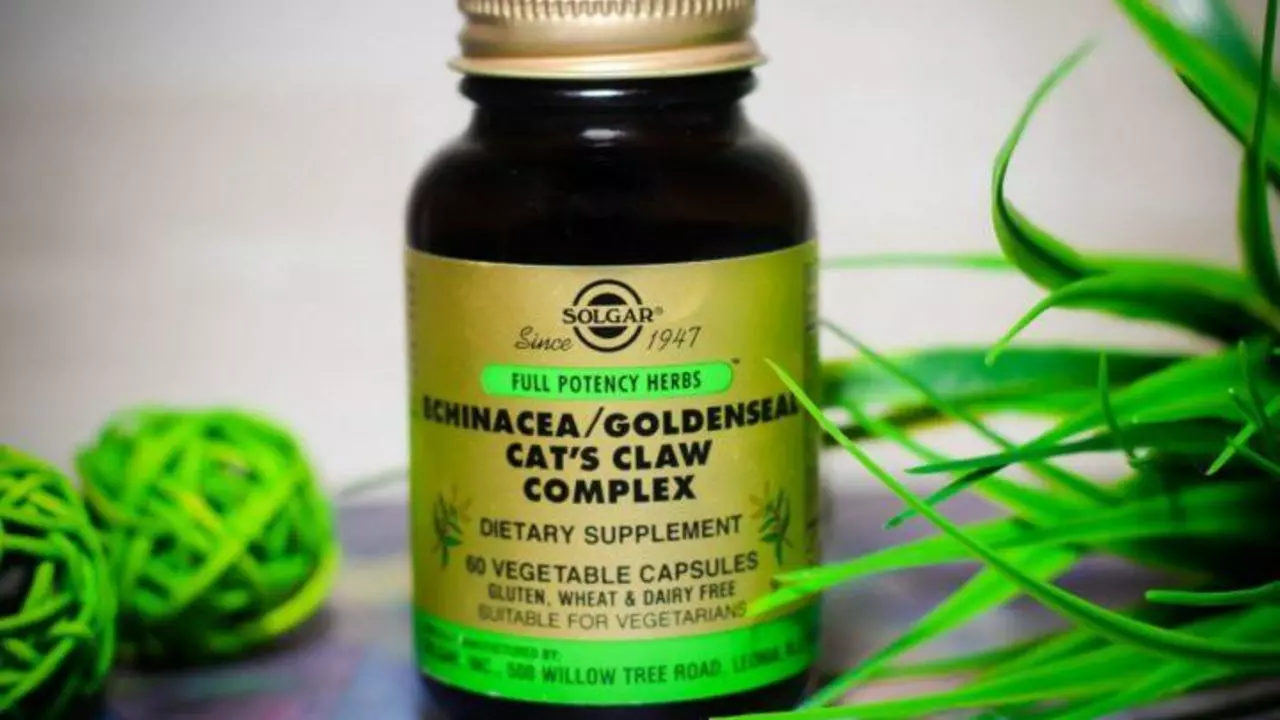
Echinacea is a popular dietary supplement that I've been researching lately, and it's known for its immune-boosting properties. This potent herb, native to North America, comes in various forms like capsules, teas, and extracts. Studies have shown that it can help prevent and shorten the duration of colds and upper respiratory infections. However, it's essential to consult with a healthcare professional before using Echinacea, as some people might have allergies or experience side effects. Overall, Echinacea seems like a promising natural remedy to add to our wellness toolkit, but always remember to use it responsibly.
Details +
I recently discovered Damiana, a miracle dietary supplement that can revitalize both your love life and overall health. This amazing plant has been used for centuries for its aphrodisiac properties and ability to boost energy levels. Not only can it enhance your intimate experiences, but it also helps with digestion, stress relief, and mood improvement. I highly recommend giving Damiana a try if you're looking to add some spark to your love life and improve your well-being. Trust me, it's a game-changer!
Details +