Diaper rash is one of those common baby problems that looks worse than it feels for many infants, but it still stresses parents. You can usually treat it at home with a few simple changes. Here’s a clear, practical guide—no nonsense, just what works.
Most diaper rashes come from prolonged contact with wetness, urine, or stool. That moisture plus friction breaks the skin’s barrier. Other triggers include new foods (which change poop), antibiotics (they can encourage yeast), tight diapers or friction, and sensitive skin reacting to soaps, laundry detergents, or scented wipes. When the rash is bright red with small bumps or extends into the skin folds, yeast (Candida) might be involved—this needs different care than a basic rash.
Change diapers often. Aim to check every 2–3 hours and change immediately after poop. Clean gently—use plain water and a soft cloth or an unscented wipe. Pat dry; don’t rub. Apply a thick barrier cream with zinc oxide or petroleum jelly every change to protect skin. Give the baby diaper-free time—10–20 minutes a few times a day helps air out the area and speeds healing.
If the rash looks like yeast (bright red, shiny, in the folds, or with small raised dots), use an over-the-counter antifungal cream labeled for infants or see your doctor for a prescription. For painful cracks or open sores, avoid powders and keep the area very clean and dry while you get medical advice.
Avoid anything scented or alcohol-based on the rash—those make irritation worse. Also skip tight-fitting diapers and plastic pants until the skin heals. For cloth diapers, rinse well and use a mild, fragrance-free detergent; make sure diapers are fully rinsed and sun-dried when possible—sunlight helps kill yeast.
If the baby is on antibiotics, expect a higher chance of yeast rashes. Ask your pediatrician whether an antifungal treatment is needed while the antibiotics continue. When you introduce solids, watch for new rashes—a change in stool acidity can trigger irritation.
Most simple diaper rashes improve within 48–72 hours with consistent care. If the rash spreads beyond the diaper area, is accompanied by fever, has blisters or pus, or doesn’t get better after three days of good home care, call your pediatrician. They can check for infection, allergic reaction, or other causes and recommend the right medicine.
Small habits prevent most rashes: change often, protect the skin with a barrier cream, use gentle cleansers, and let skin breathe. You’ll know you’re on the right track when redness fades and the baby seems more comfortable within a couple of days.
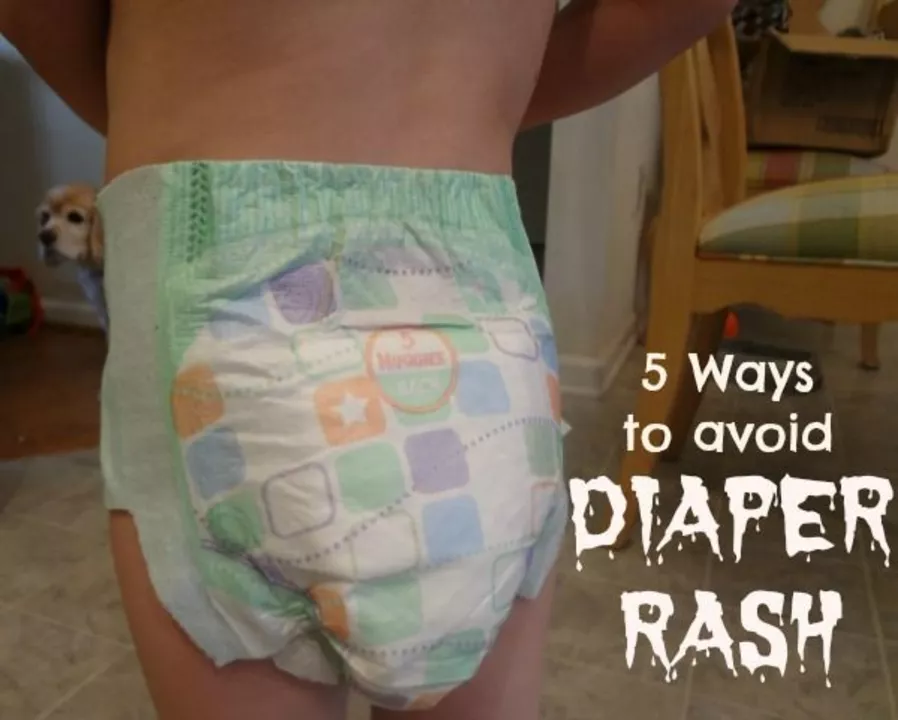
Diaper rash can be a real concern for parents, especially when our little ones are in daycare. To keep our babies comfortable, we should ensure that their diapers are changed frequently and the daycare staff is informed about our baby's specific needs. Using a gentle, fragrance-free diaper cream can also help prevent rashes. Additionally, it's important to provide the daycare with soft, breathable diapers for our babies. Finally, open communication with the daycare staff is key to ensuring our babies stay happy and rash-free.
Details +