Most people don't know that the Corkwood tree (Duboisia species) supplies compounds used in modern medicine. If you spotted one in Australia or read about it in herbal lists, this short guide tells you what matters: where it grows, which chemicals doctors use, how Indigenous people used it, and safety concerns to watch for.
What it is: Corkwood refers mainly to Duboisia myoporoides and related species. They are small to medium trees native to eastern Australia, often found in moist forests and along creek lines. Leaves are leathery and aromatic when crushed; flowers are white and berries small and dark. Farmers and botanists watch for them because their alkaloid content varies with soil and climate.
Pharmaceutical companies extract tropane alkaloids from Corkwood, including scopolamine and hyoscyamine. These compounds are valuable for eye drops, motion sickness patches, and some emergency medicines. Extraction is done under strict controls: the raw plant is processed to isolate the active chemicals, which are then purified and formulated. That means the plant itself is not a safe substitute for regulated products.
Indigenous Australians used Corkwood carefully for its effects, often in ritual or controlled contexts. The same chemicals that help in medicine cause toxicity if misused. Symptoms of poisoning include dry mouth, blurred vision, confusion, rapid heartbeat, and severe cases can lead to coma. Never consume leaves, bark, or extracts without a pharmacologist or doctor advising you.
Sustainability matters. Wild harvesting for alkaloid extraction can damage local populations. Today many suppliers grow Duboisia in managed plantations to ensure consistent alkaloid levels and protect wild stands. If you are buying botanical ingredients, check for reputable suppliers who provide traceability and lab results.
Practical tips: if you need an anticholinergic medicine, use licensed pharmaceutical products rather than plant material. For gardeners, Corkwood can be an interesting native tree if you live in suitable climate zones; handle it with gloves and keep children and pets away from cuttings. For researchers or companies, partner with certified growers and request certificates of analysis for alkaloid content.
Research note: current studies test Corkwood alkaloid derivatives for new uses like postoperative nausea control and some neurological applications. Researchers measure alkaloid profiles seasonally because content can swing by 30–50% between dry and wet seasons. That affects yield and product cost. If you work with Duboisia, plan harvest timing and lab testing. For consumers, that means two suppliers selling 'Corkwood extract' could offer very different products. Always ask for a certificate of analysis showing exact scopolamine and hyoscyamine levels. Regulatory agencies often require this data for imports and drug manufacturing, so reputable sellers will have it ready. Always verify certificates before purchasing botanical extracts.
If you suspect Corkwood poisoning, call local emergency services or a poison control center immediately. For questions about medical uses, ask your healthcare provider—they can explain safer, approved options that use isolated compounds from Corkwood without the risks of raw plant use.
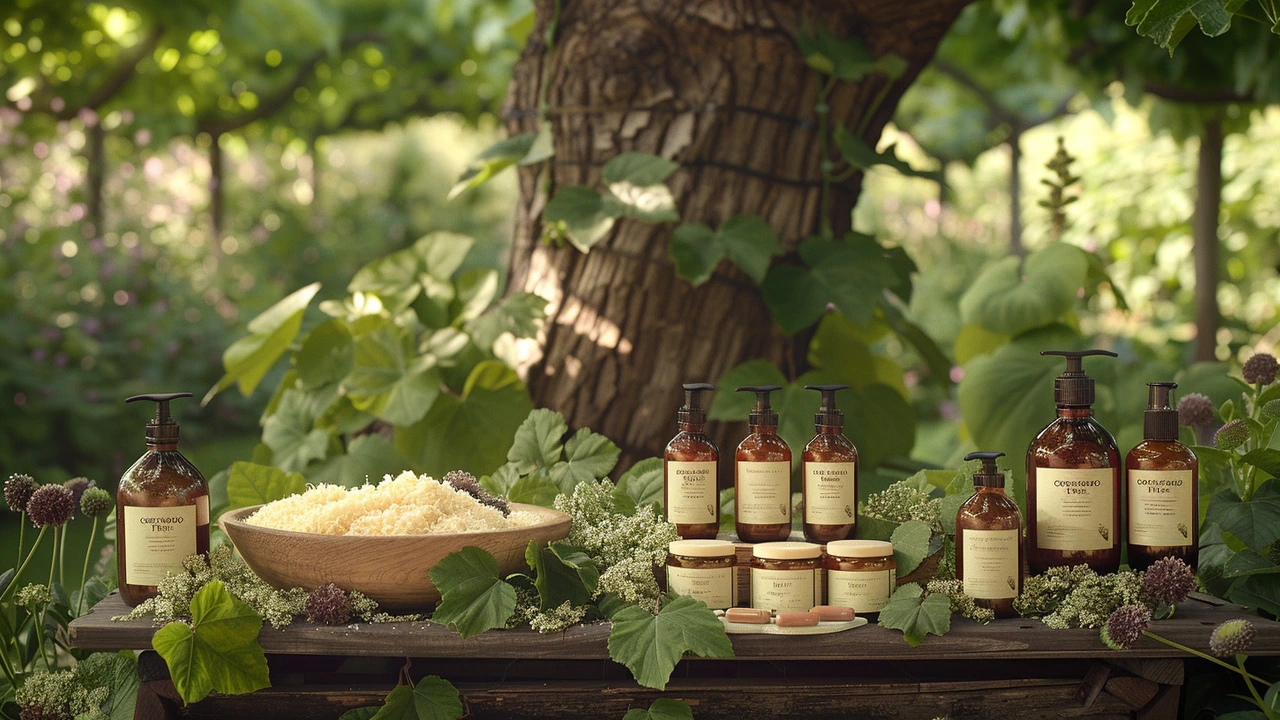
Discover the incredible healing powers of Corkwood Tree supplements. Learn about their natural benefits, how they support wellness, and their place in Australian traditions. This article provides essential tips and facts for anyone interested in natural health remedies.
Details +