Carbamazepine is a common medicine for epilepsy and mood disorders. Taken as prescribed it's helpful. Too much can be dangerous fast. If you suspect an overdose, quick action matters. This page helps you recognize warning signs, start basic first aid, and understand what doctors do next.
Mild to moderate toxicity often shows up as dizziness, drowsiness, slurred speech, and unsteady walking. Eyes may jerk (nystagmus) and thinking gets slow. Nausea, vomiting, and stomach pain are common. Watch for low sodium (hyponatremia) which can cause headache, confusion, and seizures. Severe overdose can lead to slow breathing, low heart rate, dangerously low blood pressure, seizures, coma, or life-threatening heart rhythm problems.
If you think someone took too much carbamazepine, call your local emergency number now. Time matters. If the person is awake and it’s within an hour of swallowing, emergency medical staff may give activated charcoal to reduce absorption. Do not try to make someone vomit. Keep the person comfortable, on their side if they are drowsy, and check breathing and pulse until help arrives.
Bring the pill bottle or a photo of the pills to the hospital. Tell responders the dose, time taken, and any other medicines or alcohol involved. If the patient is on other drugs that slow breathing (like opioids or benzodiazepines), mention that. Blood tests and an ECG are standard to check levels, sodium balance, and heart rhythm.
Hospital care focuses on support: stabilizing breathing and blood pressure, treating seizures, and correcting low sodium. Multiple-dose activated charcoal is commonly used because carbamazepine can be reabsorbed from the gut. In serious cases, extracorporeal treatments like hemoperfusion or dialysis may be considered to remove the drug faster.
No single antidote fixes carbamazepine overdose. Treatment is about close monitoring and fixing problems as they appear. Expect several hours to days of observation depending on how much was taken and the patient’s response. Mental health follow-up is crucial if the overdose was intentional.
Prevent future risks by storing medications in their original containers, using pill organizers, and reviewing doses with your prescriber. Tell your doctor about other medicines that affect carbamazepine levels—some increase its effect, others reduce it. If you or someone in your care has mood or seizure issues, discuss safety plans and support to reduce overdose risk.
If you’re unsure whether a dose is dangerous, call poison control or emergency services. Quick, calm steps can make a big difference.
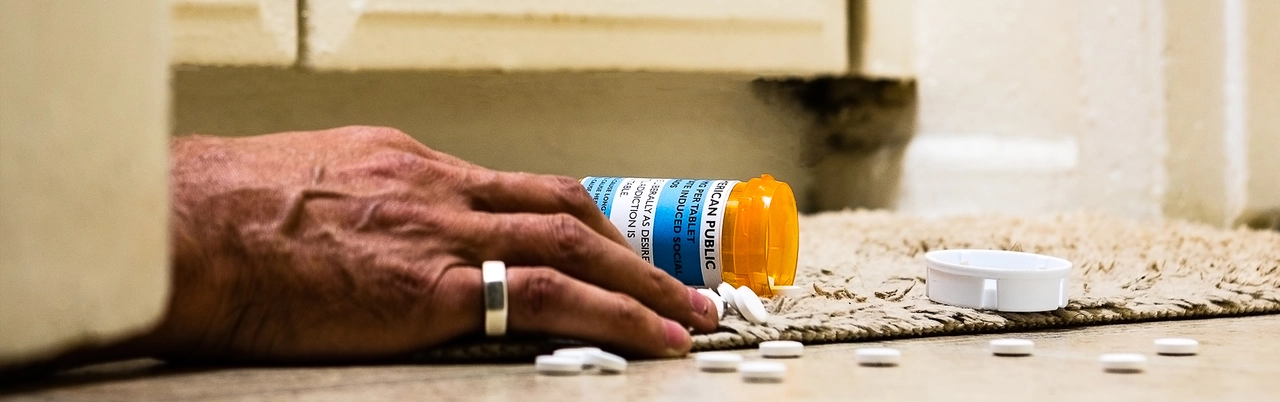
I recently learned about carbamazepine overdose, which can be quite dangerous. The signs and symptoms of this overdose include dizziness, drowsiness, nausea, and even seizures. It's important to seek medical attention immediately if someone is experiencing these symptoms. Treatment options for carbamazepine overdose may involve gastric lavage, activated charcoal, and supportive care to manage seizures and other complications. It's crucial to be aware of these signs and treatment options to ensure the safety and well-being of anyone who might be at risk.
Details +