Brimonidine tartrate is a medication you’ll most often see as eye drops for glaucoma and ocular hypertension. It lowers pressure inside the eye by reducing fluid production and increasing outflow. There’s also a topical gel form used to reduce facial redness. If you or someone you care for has been prescribed brimonidine, this page gives clear, practical info you can use right away.
As an alpha-2 adrenergic agonist, brimonidine slows fluid production in the eye and helps drain fluid out, which lowers intraocular pressure. Doctors commonly prescribe it for open-angle glaucoma and ocular hypertension. The topical gel version (brimonidine 0.33% or similar) temporarily reduces flushing and persistent facial redness from rosacea.
Typical eye-drop dosing is one drop in the affected eye(s) up to three times a day, but follow your doctor’s directions. For topical gel, most people apply a pea-sized amount to the face once daily. Don’t use more often to get faster results — that can increase side effects.
Common eye-related side effects: mild burning, dry eyes, eye redness, or blurry vision right after you put drops in. Some people get itchy, swollen eyelids or an allergic reaction — stop the drops and call your provider if that happens.
Systemic effects can include dry mouth, fatigue, drowsiness, or low blood pressure. Kids, older adults, and people taking certain medicines may be more sensitive to these effects. Avoid brimonidine if you use MAO inhibitors or if your doctor warns against it for other drug interactions.
A key safety note: brimonidine can cause serious drowsiness and breathing problems in newborns and very young infants. If you care for a baby, mention any exposure to household topical products or eye drops to your pediatrician.
Practical tips:
Thinking of buying brimonidine online? Choose licensed pharmacies, require a prescription, and avoid deals that look too good to be true. If you notice worsening vision, increasing redness, severe allergic reactions, fainting, or breathing changes after starting brimonidine, get medical help immediately.
If you want a quick refresher to take to your next appointment, save these points: what you use it for, how often you apply it, any side effects you’ve seen, and other medicines you take. That small list makes follow-up much easier and keeps your treatment on track.
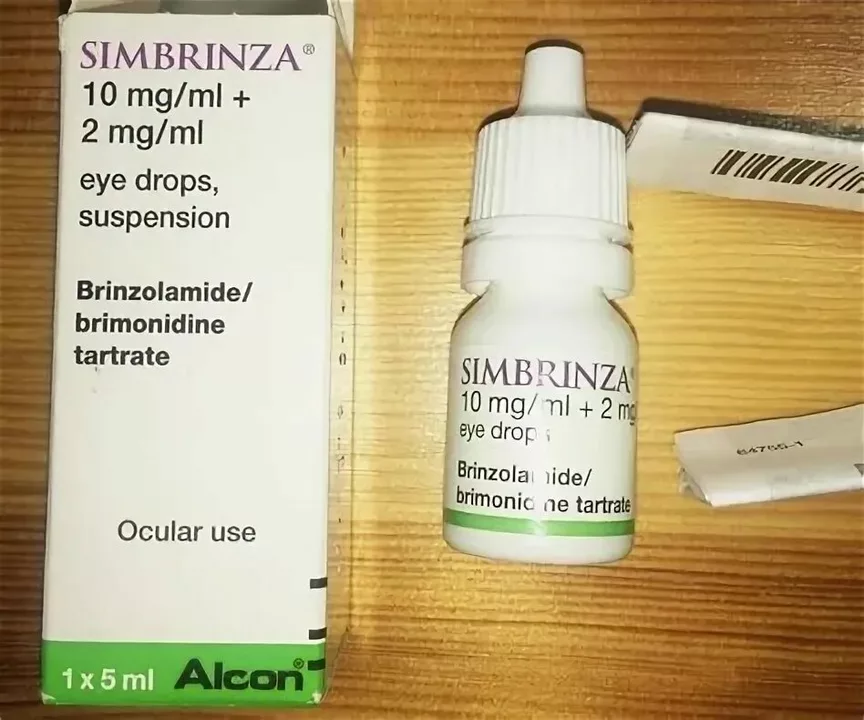
As a frequent user of brimonidine tartrate eye drops, I know that maintaining proper hygiene is crucial for preventing infections and ensuring the effectiveness of the treatment. To help fellow users, I've gathered some essential tips to follow. Firstly, always wash your hands thoroughly before handling the eye drops to avoid transferring germs. Secondly, avoid touching the dropper tip to any surface, including your eye, to prevent contamination. Lastly, make sure to replace the cap securely after each use, and never share your eye drops with anyone else.
Details +