Birth defects can be scary, but knowing what increases risk and what you can do helps a lot. This page explains clear, practical steps to lower risk, signs to watch for, and useful questions to ask your doctor during pregnancy.
Most birth defects come from genes, environment, or a mix. Some babies inherit a gene problem from one or both parents. Other problems happen when a fetus is exposed to harmful substances like alcohol, certain medicines, or high levels of radiation. Infections during pregnancy such as rubella or Zika also raise the chance of defects. Timing matters: the first 8 to 10 weeks of pregnancy are when major organs form, so exposures then are most risky.
Simple prevention actions make a big difference. Take 400 to 800 micrograms of folic acid daily before conception and during early pregnancy to cut the risk of neural tube defects like spina bifida. Avoid alcohol, tobacco, and illegal drugs. Check every prescription and over-the-counter medicine with your doctor or pharmacist; some common drugs are not safe in pregnancy. Stay up to date on vaccinations before you get pregnant, especially MMR and flu shots.
Screening and tests help catch many problems early. First-trimester screening combines blood work and ultrasound to estimate risk for chromosomal conditions. Noninvasive prenatal testing (NIPT) analyzes fetal DNA in a mother’s blood for more accurate risk assessment. Diagnostic tests like chorionic villus sampling (CVS) and amniocentesis give definitive answers but carry small risks. Talk with your care team about the pros and cons of each option.
Healthy habits for pregnancy matter beyond supplements. Keep chronic conditions like diabetes and high blood pressure under control before conceiving. Eat a balanced diet, maintain a healthy weight, and manage stress. Limit exposure to chemicals at work and home. Read labels, avoid pesticides, and use safer cleaning products. If you work with hazardous materials, ask your employer about adjustments.
If a test shows a defect, pressure and fear are normal. Ask clear questions: what does this mean for my baby’s health, what treatments exist before or after birth, and what specialists should we see? Many birth defects can be treated or managed with surgery, therapy, or medication. Connect with support groups and genetic counselors for guidance and emotional help.
Quick checklist to reduce risk: start folic acid, stop alcohol and smoking, review meds with a provider, get vaccinated before pregnancy, control chronic health issues, and avoid toxic exposures. Small steps now give your baby a better start and give you more control over the pregnancy journey.
If you notice abnormal ultrasound findings, reduced fetal movement later in pregnancy, bleeding, or severe pain, contact your provider right away. Your care team can order further tests and refer you to maternal fetal medicine or pediatric specialists.
Ask your obstetrician for a referral to a genetic counselor if you have family history or abnormal results. Use trusted sites like CDC and local health departments for facts. Keep a list of medications and vitamins to review at each visit.
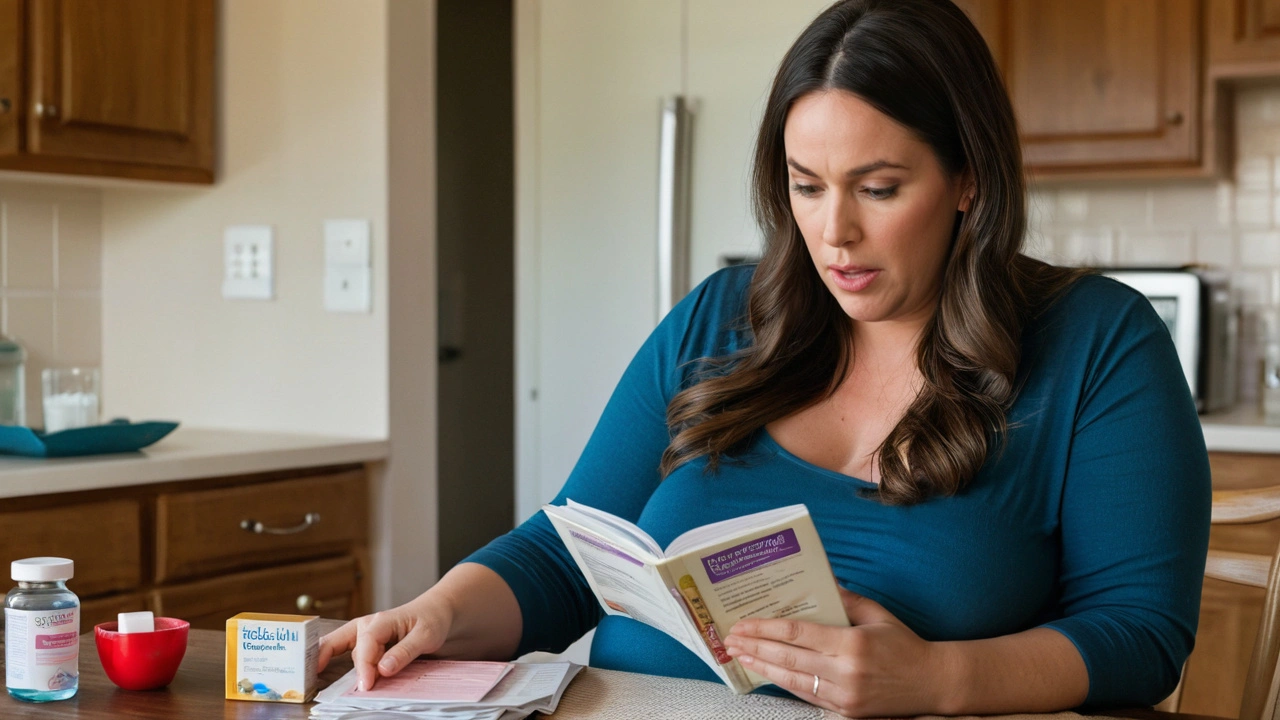
This article delves into the potential risks of birth defects associated with ethinyl estradiol use. It covers key facts about the substance, studies on its safety during pregnancy, and practical tips for expecting mothers. Readers will gain a clear understanding of ethinyl estradiol's impact and how to make informed health decisions.
Details +