Betamethasone is a strong corticosteroid used to reduce inflammation and itching. You’ll find it as creams and ointments for skin problems, inhaled or injected forms for lung or systemic inflammation, and sometimes as oral medicines in clinical settings. Knowing the form and how to use it matters for both effectiveness and safety.
Topical betamethasone treats eczema, psoriasis, contact dermatitis, and allergic rashes. Apply a thin layer exactly where needed — not all over. Inhaled or injected betamethasone treats severe asthma flares or inflammatory conditions when a stronger, systemic effect is required. Pregnant people at risk of preterm birth may receive injections of betamethasone to help baby’s lungs mature; that’s done under medical care, not at home.
Different strengths exist. Over-the-counter products usually don’t contain betamethasone because it’s prescription-only in many places. Always check the medicine label and follow a prescriber’s instructions.
For topical use, wash and dry the area first, then apply a thin layer. Avoid broken skin, eyes, and mouth unless a doctor tells you otherwise. Don’t bandage the treated area tightly unless instructed — that increases absorption and side effects. Use the lowest effective amount for the shortest time needed.
If you’re prescribed injections or inhaled forms, keep all follow-up appointments. Don’t stop systemic steroids suddenly after long use — tapering is usually needed to prevent withdrawal and adrenal problems. If you have diabetes, high blood pressure, or osteoporosis, tell your provider before starting betamethasone because steroids can affect blood sugar, blood pressure, and bone health.
Watch for signs of overuse: skin thinning, stretch marks, easy bruising, or worsening infections at the treatment site for topical forms. Systemic effects can include weight changes, mood swings, higher blood sugar, and increased infection risk. If you notice any worrying symptoms, contact your clinician.
Interactions matter. Live vaccines may be unsafe with high-dose steroids. Some medicines can raise steroid levels or increase side effects. Always tell your pharmacist about all medications and supplements you take.
Buying online? Use only licensed pharmacies, check for a real contact address and pharmacist access, and never buy prescription-strength betamethasone without a valid prescription. Beware of unusually low prices or sellers that won’t supply product details and expiry dates.
If you have questions about betamethasone for your condition, talk to a pharmacist or prescriber. They can match the right form, dose, and safety plan to your needs so the medicine helps without unnecessary risk.

Explore if betamethasone is safe for burns, its benefits, risks, proper use, and better alternatives in a clear, practical guide.
Details +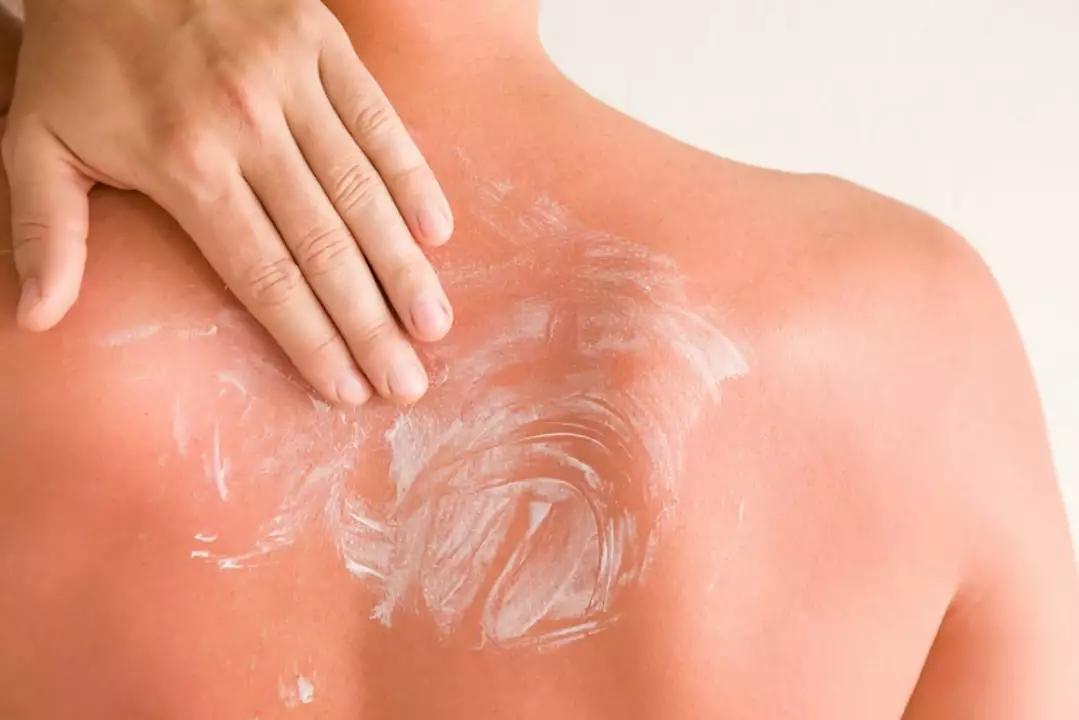
In today's blog, we'll discuss whether betamethasone can help with symptoms of polymorphous light eruption (PMLE), a common skin condition caused by sun exposure. Many people have found relief using betamethasone, a potent corticosteroid, to reduce inflammation and itchiness associated with PMLE. However, it's essential to consult a dermatologist before using any medication, as they can determine the appropriate treatment for your specific case. Although betamethasone may be effective in managing PMLE symptoms, it's crucial to remember that prevention is always better than cure, so make sure to protect your skin from the sun. Stay tuned for more tips and information on dealing with skin conditions in future posts!
Details +