Recovery is messy, honest work. If you or someone you care about is trying to stop using substances, you need clear steps, not empty promises. This page pulls practical ideas together: medical options, support strategies, safety tips for medications, and small daily habits that make relapse less likely.
Start by talking with a clinician. Medications can reduce cravings and lower overdose risk. Naltrexone is one option that helps with alcohol and opioid problems — read our Naltrexone article to learn how it works and what to expect. Other treatments, like buprenorphine or methadone for opioid dependence, require a prescriber and sometimes a treatment program. If you’re taking meds, keep a list, follow dosing instructions, and check interactions — older psychiatric medicines or blood thinners can complicate things.
Thinking about buying meds online? Be careful. Choose licensed pharmacies, look for real contact info, avoid prices that look too good to be true, and never skip a doctor’s prescription just to save money. Our posts on safe online buying explain what red flags to watch for.
Small daily habits add up. Set a simple routine: sleep, meals, short exercise, and check-ins with a friend or counselor. Write down common triggers — places, people, feelings — and plan specific actions for each. For example: if stress at work triggers cravings, take a 10-minute walk, call a buddy, or use a breathing exercise you practiced earlier.
Support matters. Meetings and peer groups give accountability and practical tips from people who’ve been there. If meetings feel too intense, try one-on-one counseling or a smartphone recovery app for step-by-step tools. Family therapy can also fix the patterns that pushed someone toward use in the first place.
Expect setbacks. A slip doesn’t erase progress, but it does tell you what to change. After a slip, review triggers, adjust your plan, and reach out. Make a short relapse plan now so you don’t have to improvise when stressed: who to call, where to go, and which medicines or safe options to use.
Look beyond drugs. Mental health and physical health affect recovery. If you struggle with mood or anxiety, treatments like Depakote or therapy may be needed — treating both issues at once improves outcomes. Sleep, nutrition, and movement also change how you feel and how strong cravings feel.
If cost or access is a problem, find low-cost clinics, community programs, and verified online pharmacies that will work with prescriptions. Our site has articles about safe buying and choosing alternatives when a medication is hard to find.
Recovery isn’t one-size-fits-all. Try a mix of medical care, counseling, routines, and peer support. Keep things concrete: one daily habit, one trusted person to call, and one medical check-in each month. Take small steps and build on them — steady change beats dramatic promises every time.
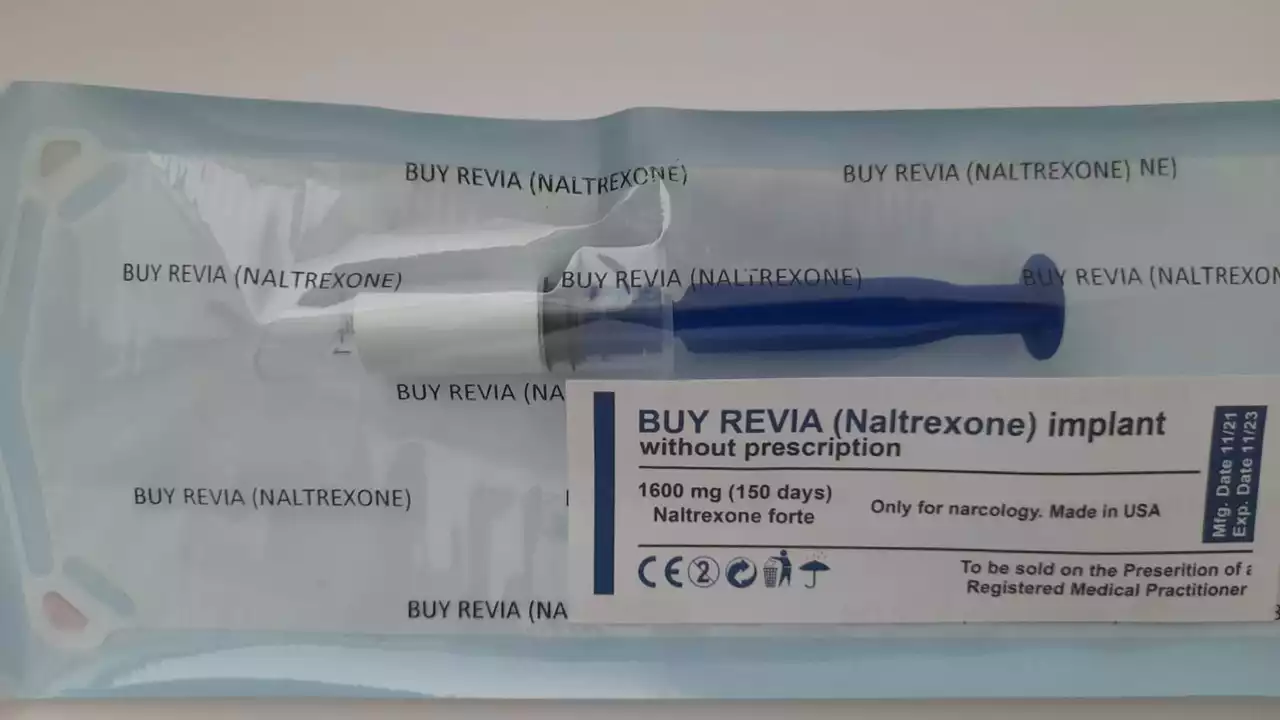
In my latest blog post, I discussed the powerful combination of Naltrexone and Narcotics Anonymous in helping individuals overcome addiction. Naltrexone, a medication that blocks the effects of opioids, has proven to be a valuable tool in preventing relapses. When combined with the support and guidance offered by Narcotics Anonymous, a 12-step program for individuals in recovery, the chances of long-term sobriety significantly increase. This dynamic duo addresses both the physical and emotional aspects of addiction, providing a comprehensive approach to recovery. I believe that this combination is essential for those seeking a successful and lasting recovery from opioid addiction.
Details +