Dealing with acne is frustrating, and treatments can bring their own problems. This page explains common side effects from acne itself and from treatments, and gives clear steps to reduce harm. Read on to learn what's normal, what's not, and how to protect your skin and mood.
Acne itself can cause scarring, dark spots, and sensitivity. When pimples are deep or repeatedly picked, they damage skin tissue and leave depressed scars or raised keloids. Post-inflammatory hyperpigmentation (brown or red marks) is common, especially on darker skin tones, and can last months after the acne clears. Acne can also make skin feel tight or painful where cysts form.
Over-the-counter cleansers and creams can dry and irritate skin. Benzoyl peroxide often causes redness and peeling for the first few weeks. Topical retinoids (adapalene, tretinoin) speed cell turnover but frequently lead to flaking, increased sun sensitivity, and temporary worsening before improvement. If you use a topical antibiotic, watch for irritation and rarely allergic reactions. Start slowly: apply every other night, use a gentle cleanser, and add moisturizer to reduce irritation.
Oral antibiotics can upset the gut, cause yeast infections, and increase sun sensitivity. They also risk antibiotic resistance if used long-term. Hormonal treatments like combined oral contraceptives can cause nausea, breast tenderness, or mood changes; they usually improve in a few months. Spironolactone can lower blood pressure and cause menstrual changes; it's not safe during pregnancy. Isotretinoin (Accutane or generic forms like Tretiva) is highly effective but has serious side effects: dry skin and lips, nosebleeds, mood changes, elevated liver enzymes, and severe birth defects if taken during pregnancy. Regular blood tests and strict pregnancy prevention are required with isotretinoin.
Mild procedures - chemical peels, microdermabrasion, and some lasers - can temporarily increase redness, swelling, and sensitivity. Aggressive treatments carry higher risk of scarring or pigment changes, so choose a licensed provider and discuss skin type and downtime before booking.
Practical ways to reduce side effects: protect skin from the sun, use fragrance-free moisturizers, introduce active ingredients slowly, and always follow dosing instructions. For oral meds, report unusual symptoms like severe headaches, severe mood shifts, or jaundice immediately. Keep a photo diary to track progress and side effects - this helps your provider adjust treatment faster.
Acne affects confidence. If you notice anxiety, low mood, or social withdrawal, ask your clinician about support options. Therapy, support groups, or temporary changes in treatment can help while your skin improves.
If you're not sure what's causing a new problem, stop the suspected product and contact your healthcare provider. With careful choices and monitoring, most side effects can be managed while you work toward clearer skin.
Want detailed drug info and personal stories? Check linked articles on Tretiva (isotretinoin), Isofair alternatives, topical and oral options, and safe online pharmacy tips. Those posts explain side effects, monitoring steps, and real patient tips. Print or save the key points to show your clinician so you get safer, faster results today too.
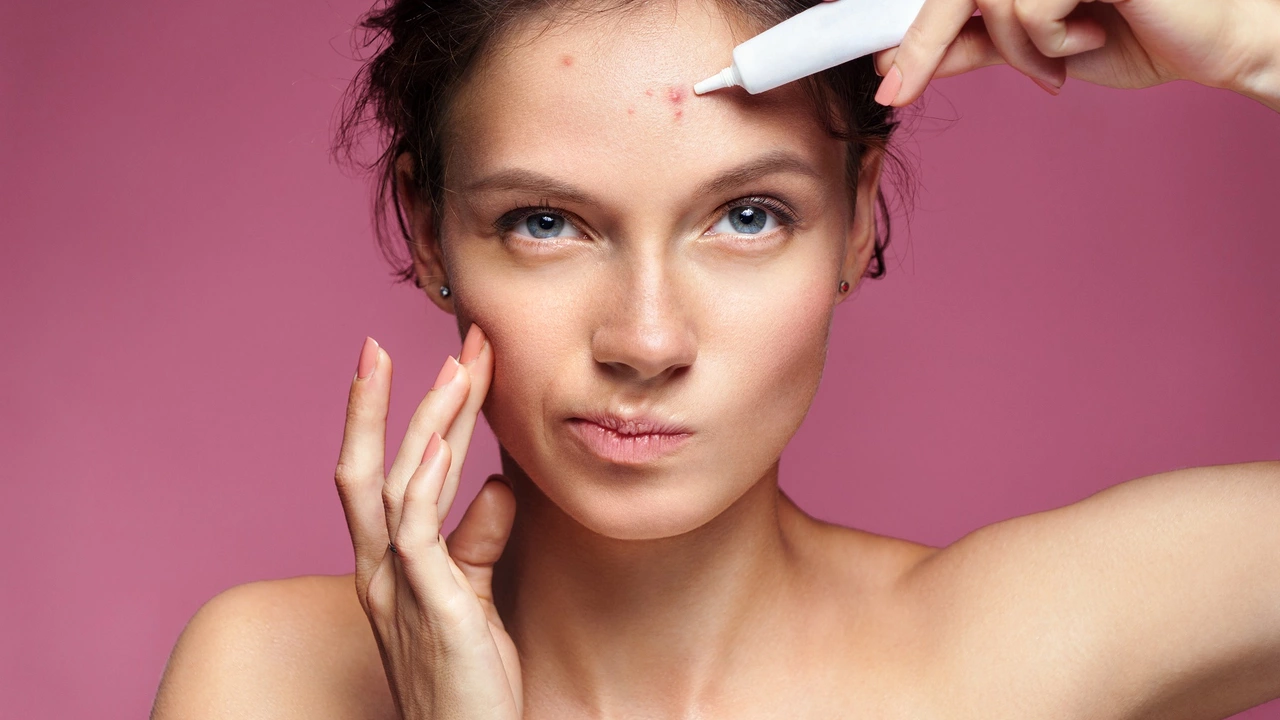
Treating chapped skin caused by acne medications can be a real challenge. It's important to keep your skin moisturized with a non-comedogenic lotion to avoid clogging your pores. Also, try to limit your use of harsh soaps and hot water, as they can strip your skin of natural oils. You can also use a humidifier to add moisture to the air in your home, which can help alleviate dryness. Remember, always consult with your dermatologist before making changes to your skincare routine.
Details +