Acne is common and treatable. The right medication depends on your skin type, acne severity, and health history. Over-the-counter creams help mild cases; stronger options are for persistent or cystic acne.
Topical treatments are the first step. Benzoyl peroxide kills bacteria and reduces oil. Salicylic acid helps clear pores. Topical retinoids like adapalene or tretinoin unclog follicles and prevent new spots. Use a single active at first to spot-check for irritation, then layer carefully. Apply retinoids at night and use sunscreen daily.
Oral antibiotics cut inflammation and bacteria quickly, but they work best short term. Doxycycline and minocycline are common choices. Doctors usually pair antibiotics with topical agents to avoid resistance. If antibiotics stop working, talk to your clinician about switching strategies.
Hormonal options help people with acne linked to hormones. Birth control pills and spironolactone reduce oil and improve inflammatory acne. Hormonal therapy needs medical supervision and pregnancy precautions. Expect gradual improvement over three months or more.
Isotretinoin is the most powerful option for severe, scarring, or treatment‑resistant acne. It shrinks oil glands and can clear acne long term. Because it causes birth defects, isotretinoin requires pregnancy tests, strict contraception, and regular blood checks. Common side effects include dry skin and lips; rare effects need prompt medical review.
For people seeking alternatives, topical azelaic acid reduces redness and kills certain bacteria. Niacinamide can calm skin and control oil. Chemical peels, laser therapy, and extraction by a professional add benefit when medications alone don’t cut it.
How to pick a treatment? Start with your problem: whiteheads and blackheads respond well to retinoids and salicylic acid. Red, inflamed bumps often need an anti inflammatory plus a topical antibacterial. Cystic nodules may require oral therapy or a dermatologist referral. Keep a simple routine so you can tell if a product helps or harms your skin.
Safety tips matter. Tell your provider about pregnancy plans, current medications, and health conditions. Avoid mixing strong exfoliants with prescription retinoids without guidance. Wear sunscreen—many acne meds increase sun sensitivity. If irritation or unusual symptoms appear, stop the product and seek advice.
Buying medications online can work but choose licensed pharmacies and check for clear contact information. Cheap or unverified products risk wrong ingredients or dosing. Your safest route for prescription acne drugs is a proper consultation and a legitimate pharmacy.
Track progress with photos every four weeks so you can see real change. Give treatments time—most take eight to twelve weeks to show steady progress. If you’ve already tried several options without help, see a dermatologist for targeted strategies like isotretinoin or procedural care.
See a specialist if acne is painful, leaves scars, or if over the counter and prescription tries fail. Early referral speeds access to treatments like isotretinoin, light therapy, or minor procedures that target deep inflammation fast.
Cleanse gently twice daily, apply topical at night, use sunscreen in the morning, and don't pick for visible results fast.
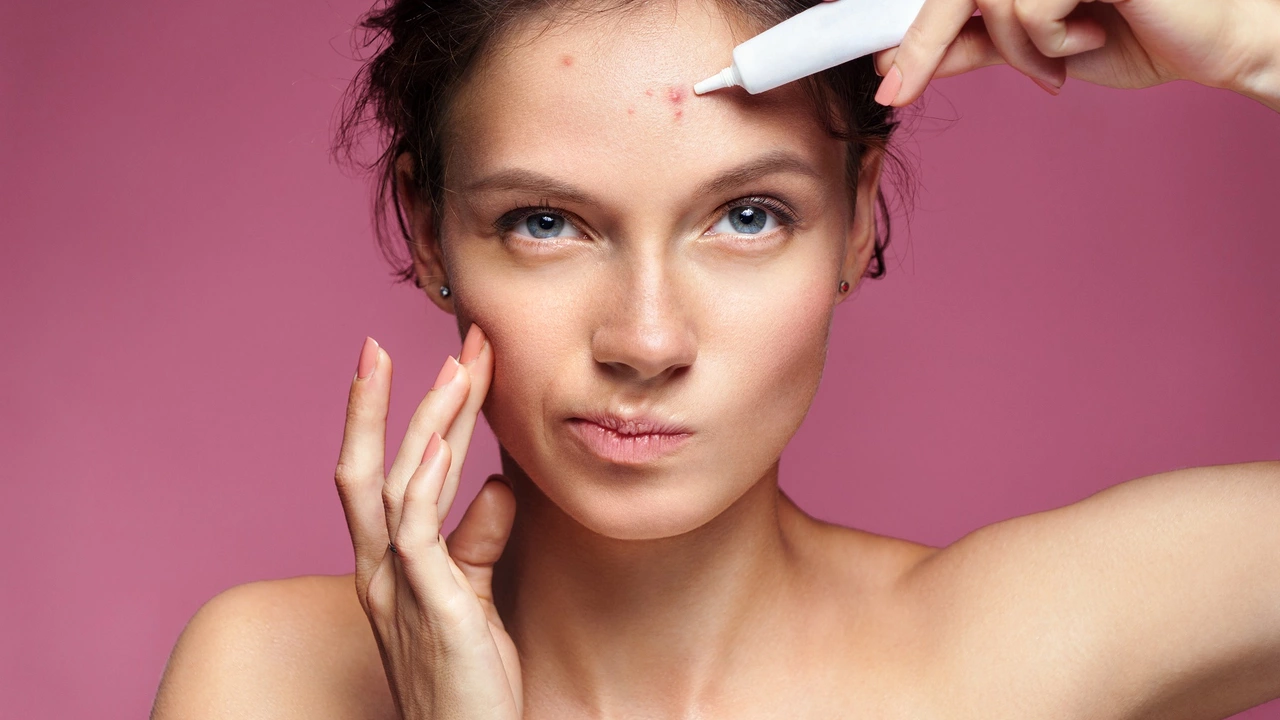
Treating chapped skin caused by acne medications can be a real challenge. It's important to keep your skin moisturized with a non-comedogenic lotion to avoid clogging your pores. Also, try to limit your use of harsh soaps and hot water, as they can strip your skin of natural oils. You can also use a humidifier to add moisture to the air in your home, which can help alleviate dryness. Remember, always consult with your dermatologist before making changes to your skincare routine.
Details +