Acid reflux happens when stomach acid flows back into the esophagus. You may get heartburn, a sour taste, burping, or a burning feeling behind your breastbone. Having reflux once in a while is normal. When it comes often or wakes you up, it needs attention.
Common triggers include big meals, spicy or fatty foods, coffee, alcohol, chocolate, peppermint, and lying down soon after eating. Smoking and extra weight make reflux worse. Some medicines relax the valve between your stomach and esophagus, letting acid escape.
Start with small changes that actually help. Eat smaller portions and avoid late-night meals — stop eating two to three hours before bed. Raise the head of your bed by 6 to 8 inches or use a wedge pillow so gravity keeps acid down. Lose a few pounds if you’re overweight; even small weight loss can ease symptoms.
Pick foods that are gentle: bananas, oatmeal, lean protein, and cooked vegetables. Drink water after meals to wash acid down. Chewing sugar-free gum for 20–30 minutes after eating boosts saliva and can reduce heartburn. Wear looser clothes around your waist to avoid pressure on the stomach.
Over-the-counter help includes antacids for quick relief, H2 blockers for several hours of control, and proton pump inhibitors (PPIs) for stronger, longer relief. Antacids are good for occasional flares. H2 blockers work well for mild, regular symptoms. OTC PPIs can heal esophageal irritation but use them short-term unless your doctor advises otherwise.
Check your meds with a clinician if reflux starts after a new prescription. Some pain relievers, blood pressure drugs, and antidepressants can make reflux worse.
Talk to a doctor if reflux happens more than twice a week, if it wakes you at night, or if you rely on OTC meds for weeks. Get urgent care for severe chest pain, trouble swallowing, vomiting blood, or sudden, unexplained weight loss — those can signal serious problems.
Your clinician may recommend tests like an endoscopy or prescribe stronger PPIs, or refer you to a GI specialist. For some people, surgery or a procedure to tighten the valve is an option when medicines and lifestyle changes don’t work.
Keep a short food and symptom diary for a week: note what you eat, when symptoms start, and what helps. That simple record gives a clear pattern and speeds up the right treatment. Small, consistent steps often cut reflux quickly — and you’ll know when to step up care if needed.
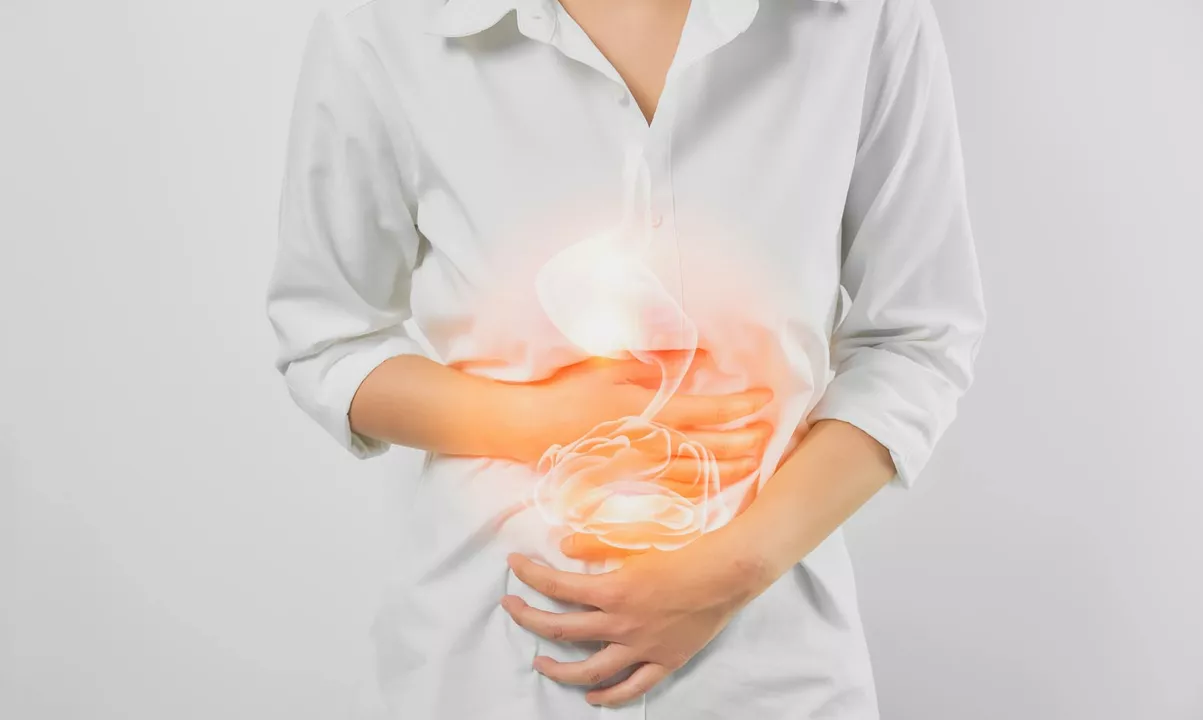
In my latest blog post, I discussed the connection between constipation and acid reflux and how to manage both conditions. I found out that when we experience constipation, it can cause bloating and increased pressure on our lower esophageal sphincter, leading to acid reflux. To manage both issues, I suggested incorporating a high-fiber diet, drinking plenty of water, and exercising regularly. Additionally, I also emphasized the importance of seeking medical advice for the right treatment plan. Lastly, I shared my own experiences and encouraged readers to share their tips and stories as well.
Details +